

Great design feels effortless—but behind every clean layout, balanced color palette, and intuitive interface sits a deep understanding of visual principles. Whether you’re a seasoned designer or someone who just wants their slide decks to stop looking like ransom notes, the right book can sharpen your eye and change how you approach every project.
The best visual design books don’t just teach you software shortcuts. They reshape the way you think about space, hierarchy, contrast, and meaning. They turn abstract concepts like “balance” and “flow” into practical tools you can apply to anything—from a mobile app to a legal brief.
In this guide, you’ll find a curated selection of visual design books worth your time. Some focus on timeless theory, others tackle specialized fields like data visualization, legal documents, and real estate marketing. Each one offers something that will stick with you long after you turn the final page.
Why Reading About Design Still Matters
 You can learn a lot from tutorials and trial-and-error. But books offer something quicker formats rarely do: depth. A well-written design book walks you through the reasoning behind a choice, not just the choice itself.
Understanding why a layout works helps you make better decisions when there’s no template to copy. You start to see the logic behind whitespace, the psychology of color, and the structure that guides a viewer’s eye. That foundation matters whether you’re designing a poster, a pitch deck, or a product dashboard.
Design books also age surprisingly well. Tools change every few years, but the core principles of visual communication have stayed remarkably consistent for decades. Learn them once, and you’ll use them for the rest of your career.
Timeless Visual Design Books Every Designer Should Own
These titles cover the fundamentals—the kind of knowledge that applies no matter what you’re creating.
The Non-Designer’s Design Book by Robin Williams
Don’t let the title fool you—even experienced designers return to this one. Robin Williams breaks design down into four core principles: contrast, repetition, alignment, and proximity (often shortened to CRAP).
The genius lies in its simplicity. Williams shows real before-and-after examples that make the principles click instantly. If you’ve ever wondered why your work looks “off” but couldn’t explain why, this book hands you the vocabulary and the fixes.
Thinking with Type by Ellen Lupton
Typography can make or break a design, and Ellen Lupton’s Thinking with Type remains the go-to resource on the subject. It covers everything from choosing typefaces to setting body text that’s actually readable.
Lupton blends history, theory, and hands-on advice without ever feeling academic. You’ll come away understanding kerning, leading, and grids—and you’ll never look at a font menu the same way again.
Grid Systems in Graphic Design by Josef Müller-Brockmann
If you want to understand structure, this Swiss design classic is essential. Josef Müller-Brockmann explains how grids bring order, consistency, and clarity to layouts of all kinds.
It’s a more technical read than the others, but the payoff is huge. Once you grasp how grids work, your layouts will feel more intentional and balanced—whether you’re designing a magazine spread or a website.
Books for Mastering Data Visualization Hierarchy
Turning numbers into clear, compelling visuals is a skill all its own. These books teach you how to build a strong data visualization hierarchy—guiding your audience to the most important information first.
The Visual Display of Quantitative Information by Edward Tufte
Edward Tufte is often called the godfather of data visualization, and this book explains why. He champions clarity, precision, and the elimination of “chartjunk”—the unnecessary clutter that distracts from your data.
Tufte’s core lesson is about respecting your audience’s attention. By stripping away decoration and emphasizing meaningful contrast, you create charts that communicate instantly. Anyone who works with data—analysts, marketers, researchers—should read this at least once.
Storytelling with Data by Cole Nussbaumer Knaflic
Where Tufte leans theoretical, Cole Nussbaumer Knaflic gets wonderfully practical. Storytelling with Data shows you how to choose the right chart, declutter your visuals, and direct attention using a deliberate data visualization hierarchy.
The book is packed with real-world examples and easy-to-follow guidance. It’s perfect for anyone who needs to present numbers to non-technical audiences and wants those numbers to actually land.
Visual Design Books for Specialized Fields
Design isn’t just for designers anymore. Professionals across industries are discovering that strong visual communication gives them a serious edge. These resources speak to specific fields where design often gets overlooked.
Graphic Design for Lawyers
The legal world runs on dense documents—and dense documents are notoriously hard to read. Good graphic design for lawyers can transform contracts, briefs, and presentations into something far clearer and more persuasive.
Books and guides in this niche focus on practical wins: using whitespace to improve readability, structuring information with visual hierarchy, and designing exhibits that juries can actually follow. Even small changes, like better headings and consistent formatting, can make legal documents more credible and easier to digest. For lawyers, learning these principles isn’t about making things pretty—it’s about communicating more effectively when the stakes are high.
Graphic Design for Real Estate
Real estate is a visual business. Listings live or die by their presentation, which makes graphic design for real estate a powerful tool for agents and brokers.
Resources in this space cover everything from designing eye-catching listing flyers to building branded marketing materials that stand out in a crowded market. They teach you how to use photography, typography, and layout to highlight a property’s best features and create an emotional connection with buyers. For agents, mastering these visual fundamentals can mean the difference between a listing that lingers and one that sells fast.
How to Get the Most Out of Design Books
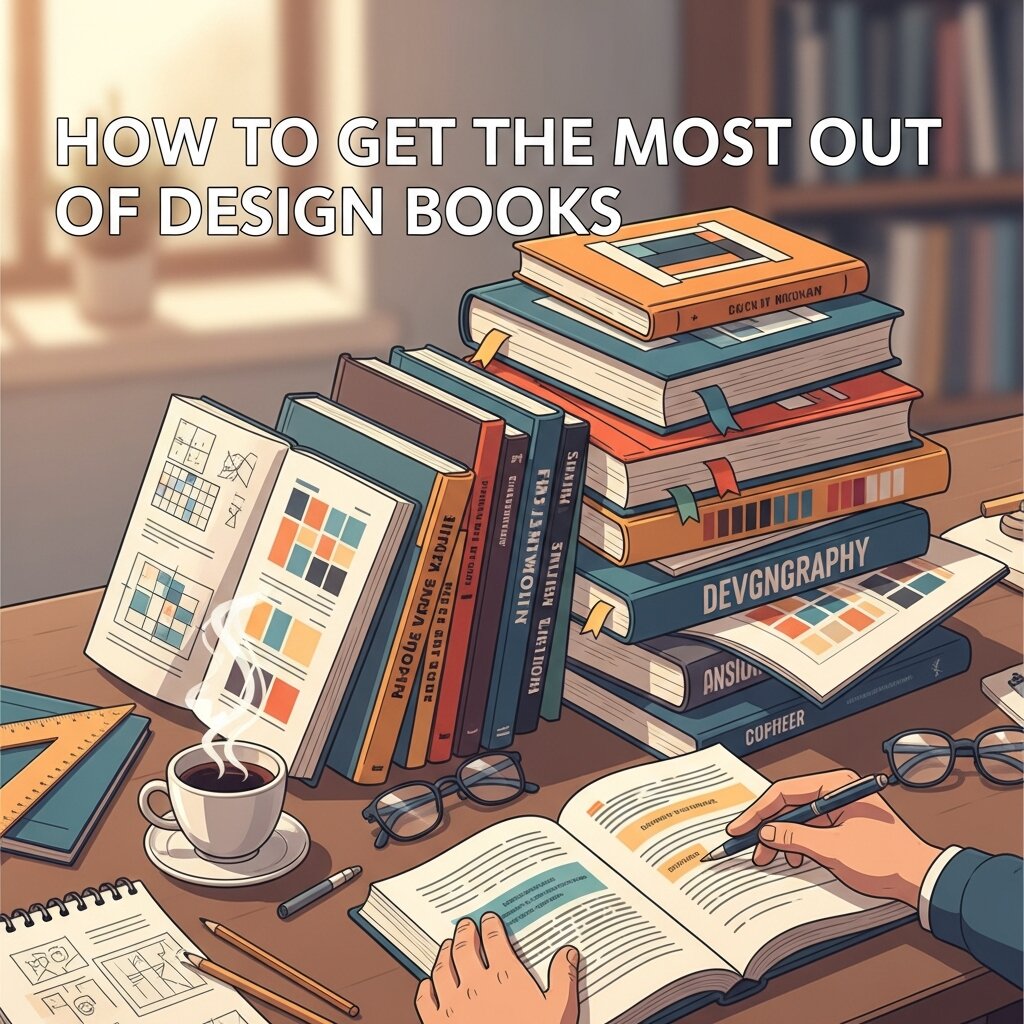 Buying the book is the easy part. Actually absorbing the lessons takes a bit more intention.
Start by reading with a project in mind. When you have a real layout to improve, the principles you read about suddenly become practical. Try applying one concept at a time—maybe alignment this week, contrast the next—so you don’t get overwhelmed.
Keep a few of these books within arm’s reach as references. The best design books reward repeat visits. A chapter that felt abstract early in your career might unlock something new once you’ve got more experience under your belt.
Finally, look at the world around you with fresh eyes. Once you understand design principles, you’ll spot them everywhere—in menus, billboards, apps, and packaging. That constant observation is one of the fastest ways to sharpen your visual instincts.
How Visual Design Books Improve Professional Communication
Strong visual communication is valuable far beyond traditional design careers. Business professionals, educators, marketers, and consultants all benefit from understanding how information is presented.
Visual design books teach readers how to organize content so audiences can quickly understand key messages. Concepts such as hierarchy, spacing, typography, and color usage help transform cluttered presentations into clear, persuasive communications.
Whether you’re creating reports, client proposals, marketing materials, or internal documents, applying visual design principles can improve comprehension and make your work appear more polished and credible. In many industries, strong visual communication is becoming just as important as strong writing.
The Role of Design Psychology in Visual Communication
Great design is rooted in psychology. Every design choice influences how people perceive information, make decisions, and interact with content.
Many visual design books explore concepts such as cognitive load, attention patterns, color psychology, and visual perception. Understanding these principles helps designers create experiences that feel intuitive rather than confusing.
For example, strategic use of contrast can draw attention to important information, while thoughtful spacing can improve readability and reduce mental effort. Learning the psychology behind design enables creators to make more purposeful decisions that better serve their audience.
Building a Personal Design Library
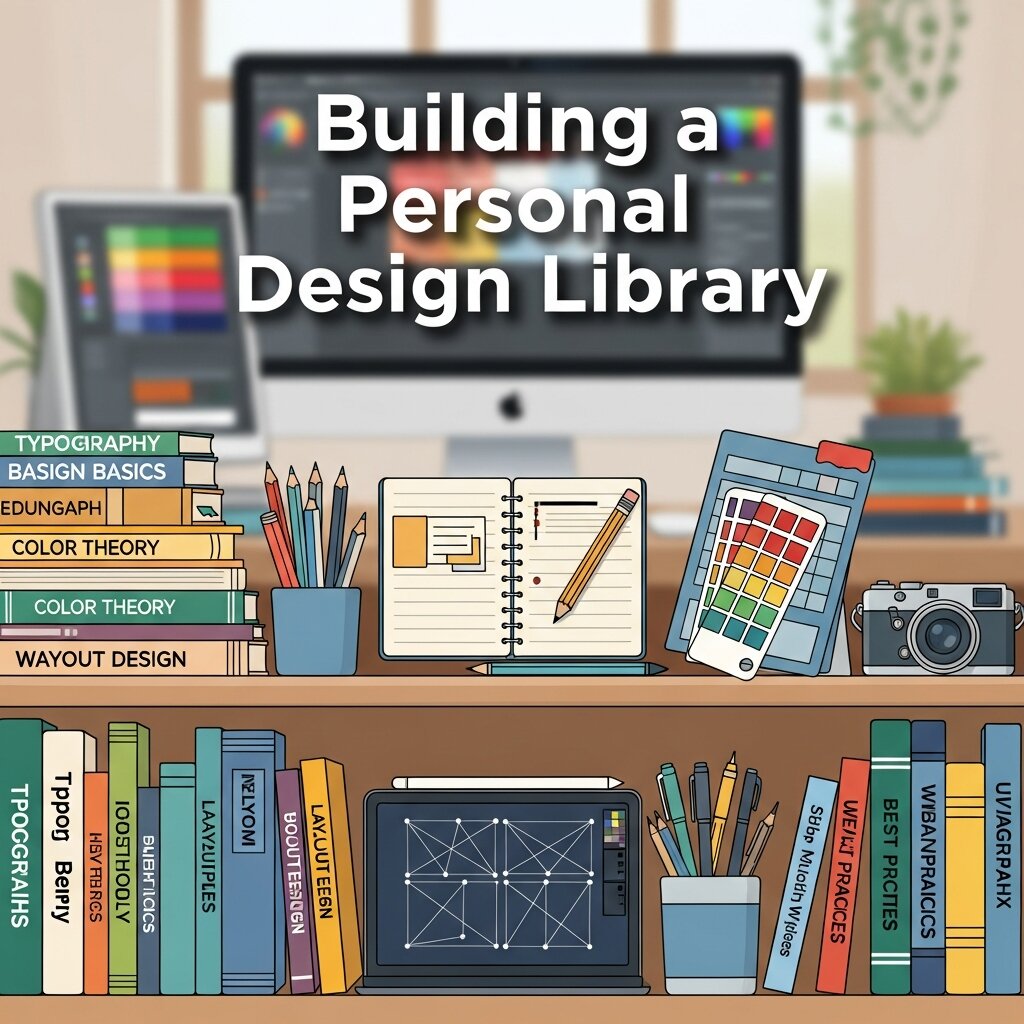 Successful designers rarely rely on a single resource. Instead, they build a personal library that covers multiple aspects of visual communication.
A balanced collection may include books on typography, layout design, branding, user experience, data visualization, and design thinking. Each resource contributes a different perspective and expands your creative toolkit.
Over time, these books become valuable references rather than one-time reads. When facing a challenging project, revisiting a trusted design book often provides fresh ideas, practical solutions, and renewed inspiration that can elevate the final result.
Common Mistakes Visual Design Books Help You Avoid
One of the greatest benefits of studying design is learning how to recognize and avoid common mistakes before they affect your work.
Visual design books frequently address issues such as poor alignment, inconsistent typography, overcrowded layouts, weak visual hierarchy, and ineffective color combinations. These problems may seem minor individually, but together they can significantly reduce the effectiveness of a design.
By understanding proven design principles, creators can identify weaknesses early and make improvements that enhance clarity, professionalism, and user engagement. The result is work that not only looks better but also communicates more effectively.
Build a Stronger Design Eye, One Book at a Time
The right visual design books do more than fill gaps in your knowledge—they change the way you see. They give you a framework for understanding why some designs feel effortless while others fall flat, and they hand you the tools to close that gap in your own work.
Start with one title that matches where you are right now. If you’re after fundamentals, pick up The Non-Designer’s Design Book. If data is your world, reach for Tufte or Knaflic. And if you work in a specialized field like law or real estate, seek out resources tailored to your industry.
Read it, apply it, and watch how quickly your work improves. Then move on to the next. A stronger design eye is built page by page—and every book you finish makes the next project a little easier.



Leave a Reply