

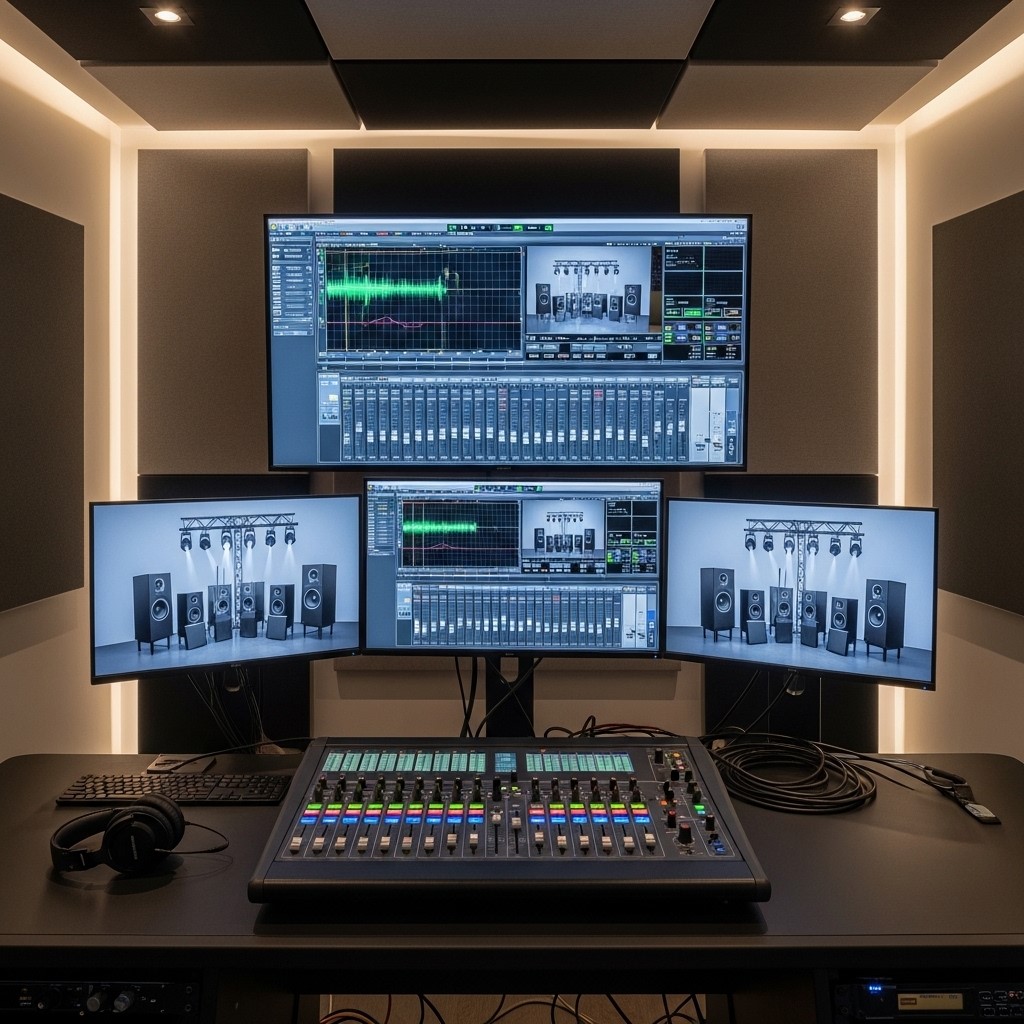
In an increasingly digital world, businesses face constant competition for consumer attention. Audiences are exposed to countless advertisements, social media posts, videos, websites, and promotional messages every day. To stand out in this crowded environment, brands need more than compelling content—they need engaging experiences that capture attention and leave lasting impressions. This is where audio visual design plays a vital role in digital marketing.
Audio visual design combines visual elements such as graphics, videos, animations, typography, and imagery with audio components like music, sound effects, voiceovers, and narration. Together, these elements create immersive experiences that communicate messages more effectively than text alone. By engaging multiple senses simultaneously, audio visual design helps brands build stronger connections with their audiences.
As digital marketing continues to evolve, businesses increasingly rely on audio visual strategies to improve engagement, strengthen brand identity, and drive conversions. Understanding the importance of audio visual design can help organizations create more impactful marketing campaigns and achieve better business results.
Understanding Audio Visual Design
Audio visual design refers to the strategic integration of visual and auditory elements to communicate information, tell stories, and influence audience behavior. It extends beyond traditional graphic design by incorporating sound and motion to create dynamic experiences.
Modern digital marketing utilizes audio visual design across websites, social media platforms, video advertisements, webinars, presentations, and interactive content. Each element works together to guide user attention and reinforce key messages.
Effective audio visual design balances aesthetics and functionality. While attractive visuals capture attention, carefully selected audio components enhance emotional engagement and improve message retention.
The Growing Importance of Visual Content
 Consumers process visual information significantly faster than text. Images, videos, and graphics can communicate complex ideas quickly and effectively, making them essential tools for modern marketing.
The rise of social media platforms has accelerated the demand for visually engaging content. Audiences often decide within seconds whether to engage with a post, advertisement, or website.
Businesses that invest in strong audio visual design are better equipped to capture attention and encourage interaction. High-quality visuals help brands stand out while improving the overall user experience. As digital competition increases, visual communication continues to become a key differentiator for successful marketing campaigns.
Enhancing Brand Recognition
Consistent audio visual design plays a crucial role in building brand recognition. Colors, typography, imagery, animations, and audio cues contribute to a cohesive brand identity that audiences can easily recognize.
When visual and auditory elements remain consistent across marketing channels, consumers develop stronger familiarity with the brand. This familiarity helps build trust and increases the likelihood of future engagement.
Successful brands carefully align their audio visual assets with their core values and messaging. Every interaction reinforces the brand experience and strengthens audience perception. Over time, strong audio visual branding contributes to greater customer loyalty and improved market positioning.
Improving Audience Engagement

One of the primary benefits of audio visual design is its ability to increase engagement. Interactive visuals, motion graphics, and compelling audio elements capture attention more effectively than static content.
Videos, animated advertisements, and multimedia presentations encourage users to spend more time interacting with content. Increased engagement often leads to improved brand awareness and higher conversion rates.
Audio visual experiences stimulate multiple senses simultaneously, making content more memorable and impactful. This deeper level of engagement helps brands communicate messages more effectively. Marketing campaigns that incorporate rich multimedia elements often outperform text-based content in terms of audience interaction and reach.
Strengthening Storytelling
Storytelling remains one of the most powerful tools in digital marketing. Audio visual design enhances storytelling by combining imagery, sound, and motion to create emotional connections.
Visual narratives help audiences understand complex concepts while audio elements add depth and emotion. Together, these components create immersive experiences that resonate with viewers.
Effective storytelling can transform ordinary marketing messages into memorable brand experiences. Consumers are more likely to remember stories that evoke emotions and align with their personal values. Audio visual design allows brands to communicate their stories in ways that feel authentic, engaging, and relatable.
Increasing Information Retention
People tend to remember information more effectively when it is presented through multiple sensory channels. Audio visual content combines visual and auditory stimuli, improving comprehension and memory retention.
Educational content, product demonstrations, and instructional videos often achieve better results when supported by strong audio visual design. Users can process and retain information more efficiently.
Businesses benefit from improved message retention because audiences are more likely to recall brand information, product features, and marketing messages. This enhanced retention contributes to stronger brand awareness and more effective communication overall.
Supporting Social Media Marketing
 Social media platforms thrive on engaging multimedia content. Users scroll through large volumes of information quickly, making visual appeal essential for capturing attention.
Audio visual design helps marketers create content that stands out within crowded social feeds. Videos, reels, animations, and interactive graphics often generate higher engagement than static posts.
Strong audio visual content encourages sharing, commenting, and interaction. These activities increase visibility and expand brand reach organically. As social media algorithms increasingly prioritize engaging content, audio visual design has become a critical component of successful social marketing strategies.
Enhancing Website User Experience
Website design plays a major role in digital marketing success. Audio visual elements help create more engaging, intuitive, and enjoyable user experiences.
Strategically placed videos, animations, illustrations, and interactive features can guide users through websites more effectively. Visual cues help visitors find information quickly and complete desired actions.
An organized approach that follows principles similar to data visualization hierarchy ensures users focus on the most important information first. Clear visual structures improve usability and reduce confusion. A positive website experience increases visitor satisfaction, encourages longer sessions, and improves conversion opportunities.
Boosting Video Marketing Performance
Video marketing continues to dominate digital communication strategies across industries. Audio visual design is at the core of effective video production.
Successful marketing videos rely on strong visuals, compelling storytelling, professional editing, and high-quality audio. These elements work together to maintain viewer attention and communicate key messages clearly.
Videos can demonstrate products, explain services, showcase testimonials, and educate audiences in engaging ways. The combination of sight and sound creates powerful communication experiences. Businesses that prioritize professional audio visual design often achieve higher video engagement and stronger marketing outcomes.
Improving Advertising Effectiveness
Digital advertising depends heavily on the ability to capture attention quickly. Audio visual design helps advertisements stand out while delivering clear and persuasive messages.
Visual elements attract initial attention, while audio components reinforce emotional responses and brand recognition. Together, they increase the effectiveness of advertising campaigns.
Well-designed advertisements communicate value propositions more efficiently and encourage user action. Whether displayed on websites, social media platforms, or streaming services, audio visual content improves campaign performance. Investing in quality design often leads to higher click-through rates, improved conversions, and stronger returns on advertising investments.
Creating Professional Brand Perceptions
Consumers often judge businesses based on the quality of their marketing materials. Professional audio visual design creates positive first impressions and enhances credibility.
High-quality visuals, polished videos, and consistent branding demonstrate professionalism and attention to detail. These qualities influence how audiences perceive products and services.
Industries such as graphic design for lawyers frequently emphasize polished visual communication because professional presentation can significantly impact client trust and confidence. Businesses that maintain high design standards are more likely to establish authority and attract potential customers.
Supporting Industry-Specific Marketing Needs
Different industries require tailored communication approaches. Audio visual design provides flexibility that allows businesses to adapt content to specific audiences and objectives.
For example, graphic design for real estate often utilizes high-quality photography, virtual tours, animations, and video walkthroughs to showcase properties effectively. These visual tools help potential buyers understand spaces and make informed decisions.
Similarly, healthcare, education, finance, and technology sectors use audio visual strategies to simplify complex information and improve audience understanding. Customized design solutions enhance communication effectiveness across various industries.
Enhancing Mobile Marketing Experiences
Mobile devices have become the primary channel through which many consumers access digital content. Audio visual design must account for mobile user behaviors and expectations.
Mobile-friendly videos, responsive graphics, concise animations, and optimized multimedia experiences improve accessibility and engagement. Users expect seamless experiences regardless of device type. Designing with mobile audiences in mind ensures content remains effective across smartphones, tablets, and other connected devices.Mobile optimization helps businesses reach larger audiences and improve marketing performance.
Encouraging Higher Conversion Rates
Effective marketing ultimately aims to drive action. Whether the goal is generating leads, increasing sales, encouraging signups, or boosting downloads, audio visual design can support conversion optimization.
Visual hierarchy, persuasive imagery, engaging videos, and strategic audio elements guide users toward desired actions. Clear calls-to-action become more effective when supported by strong design. Well-executed audio visual experiences reduce friction and increase user confidence throughout the decision-making process.Improved engagement and trust often translate into higher conversion rates and better business outcomes.
The Future of Audio Visual Design
Emerging technologies continue to expand the possibilities of audio visual design. Artificial intelligence, augmented reality, virtual reality, interactive media, and immersive experiences are reshaping digital marketing.
Future marketing campaigns will likely become even more personalized and engaging. Advanced technologies will enable brands to create highly interactive experiences tailored to individual user preferences. As consumer expectations evolve, businesses that embrace innovation in audio visual design will be better positioned to remain competitive.The integration of new technologies will continue transforming how brands communicate with audiences in digital environments.
Frequently Asked Questions (FAQ)
1. What is audio visual design in digital marketing?
Audio visual design combines visual elements such as graphics, videos, animations, and typography with audio elements like music, narration, and sound effects. It helps brands communicate messages more effectively, increase audience engagement, and create memorable marketing experiences.
2. Why is audio visual design important for businesses?
Audio visual design helps businesses capture attention, strengthen brand identity, improve customer engagement, and communicate information clearly. It also enhances marketing campaigns by making content more interactive, memorable, and persuasive for target audiences.
3. How does audio visual design improve customer engagement?
By combining visuals and sound, audio visual content stimulates multiple senses at once. This creates a more immersive experience, encourages longer interaction times, and increases the likelihood that users will engage with and remember the content.
4. Can audio visual design improve social media performance?
Yes. Social media users are more likely to engage with videos, animations, and visually appealing content than text-only posts. Effective audio visual design can increase views, shares, comments, and overall audience reach across social platforms.
5. How does audio visual design support brand recognition?
Consistent use of colors, typography, imagery, video styles, and audio elements helps create a recognizable brand identity. Repeated exposure to these elements builds familiarity, trust, and stronger brand recall among consumers.
6. What role does audio visual design play in video marketing?
Audio visual design is essential in video marketing because it combines storytelling, visuals, sound, and motion to deliver messages effectively. High-quality design helps maintain viewer attention, improve retention, and increase conversion opportunities.
7. Does audio visual design affect website user experience?
Absolutely. Videos, animations, interactive graphics, and clear visual structures improve navigation and usability. A well-designed audio visual experience helps visitors find information quickly and encourages them to stay on the website longer.
8. How can audio visual design increase conversion rates?
Strong visuals, persuasive messaging, engaging videos, and strategic audio elements guide users toward desired actions. By reducing friction and building trust, audio visual design can significantly improve lead generation, sales, and overall conversion performance.
9. Is audio visual design useful for all industries?
Yes. Industries such as healthcare, education, finance, legal services, and real estate all benefit from audio visual design. It helps simplify complex information, improve communication, and create more engaging customer experiences.
10. What is the future of audio visual design in digital marketing?
The future includes greater use of artificial intelligence, augmented reality, virtual reality, and personalized content experiences. These technologies will enable brands to create more immersive, interactive, and engaging marketing campaigns for modern audiences.
Conclusion
Audio visual design has become an essential component of modern digital marketing. By combining compelling visuals with engaging audio elements, businesses can communicate more effectively, strengthen brand identity, improve user experiences, and drive better marketing results.
From social media campaigns and video marketing to website design and digital advertising, audio visual strategies influence nearly every aspect of customer engagement. Organizations that invest in high-quality audio visual design gain valuable opportunities to connect with audiences, increase brand recognition, and achieve sustainable growth.



Leave a Reply