

Humans have always relied on visual elements to communicate complex ideas, record history, and share emotions. From ancient cave paintings to the sleek digital interfaces we navigate every day, visual communication is a fundamental part of the human experience. As technology evolves, so do the methods we use to express ourselves, creating a rich tapestry of overlapping disciplines that allow creators to push the boundaries of imagination.
At the center of this creative evolution is the intersection of graphic design and visual arts. While these fields share common ground in aesthetics, color theory, and composition, they serve distinctly different purposes. One focuses on solving specific communication problems, while the other exists primarily to provoke thought and convey personal emotion. Understanding how these disciplines interact can unlock entirely new avenues for your own creative projects.
By exploring the unique characteristics of graphic design and visual arts, you will learn how to harness their combined power to elevate your work. This post explores the core philosophies behind these fields, examines the ongoing debate of graphic design vs visual design, and provides practical insights to help you blend artistic vision with strategic communication.
Understanding the Core Differences and Similarities
To fully appreciate how these disciplines complement each other, it helps to look at them individually. Both require a keen eye for aesthetics and a deep understanding of visual principles. However, the driving force behind a graphic designer’s work often looks very different from the motivation of a fine artist.
The Essence of Visual Art
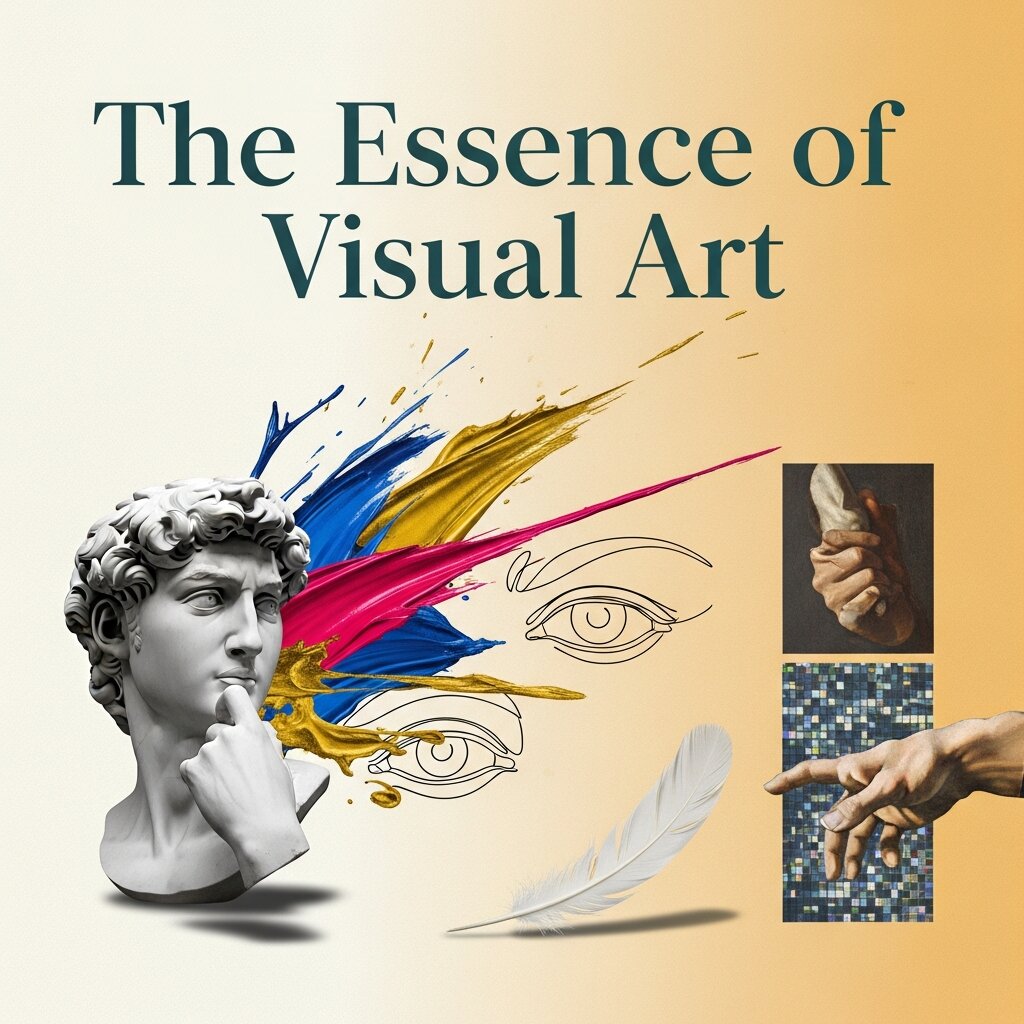 Visual art is fundamentally about open-ended expression. Artists create paintings, sculptures, drawings, and mixed media pieces to express their inner thoughts, challenge societal norms, or capture the beauty of the world around them. The primary goal is not necessarily to sell a product or convey a specific piece of information. Instead, visual art asks questions. It invites the viewer to interpret the work through their own personal lens.
An artist might spend months perfecting a single oil painting just to capture a specific mood or atmosphere. The success of the artwork is subjective. If it evokes an emotional response or sparks a conversation, it has achieved its purpose. There are no strict rules or client briefs dictating the final outcome, giving the artist ultimate freedom over their creative expression.
The Function of Graphic Design
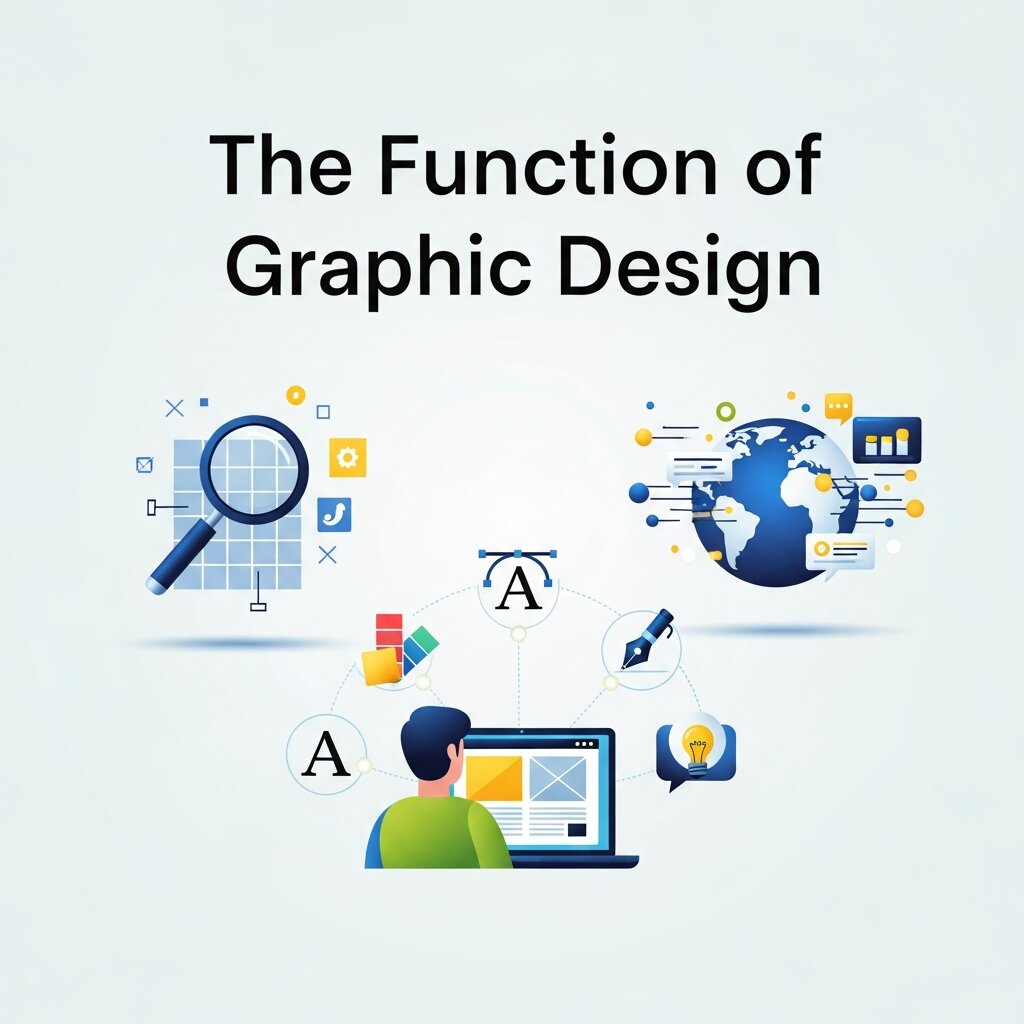 Graphic design, on the other hand, is visual problem-solving. It is a highly strategic practice aimed at communicating a specific message to a defined audience. Graphic designers use typography, imagery, layout, and color to guide the viewer’s eye and deliver information clearly. Whether it is a stop sign, a restaurant menu, or a corporate logo, graphic design must be functional.
Designers usually work within strict parameters. They have target demographics, brand guidelines, and specific objectives to meet. If a promotional poster looks beautiful but fails to tell the viewer when and where the event is taking place, the design has failed. The success of graphic design is measured by its clarity, usability, and ability to drive a desired action.
Decoding the Terminology: Graphic Design vs Visual Design
As the digital landscape expands, the terminology surrounding creative professions can become confusing. A common point of confusion is the distinction between graphic design vs visual design. While they are closely related, they occupy different spaces in the modern creative industry.
Graphic design is a broad term that has been around since the dawn of print media. It encompasses everything from book covers and magazine layouts to branding and packaging. A graphic designer might spend their day choosing the perfect paper stock for a business card or adjusting the kerning on a printed billboard. The focus is often on static, tangible materials, though graphic designers certainly work in digital spaces as well.
Visual design specifically focuses on the aesthetics of digital products. Visual designers are responsible for the look and feel of websites, mobile applications, and user interfaces. They take the wireframes created by user experience (UX) designers and bring them to life with color palettes, typography, and imagery. While a graphic designer might create a brand’s logo, a visual designer determines how that logo behaves and looks when a user clicks on it within an app. Understanding this nuance is crucial for creatives looking to specialize in the modern job market.
How Graphic Design and Visual Arts Fuel Creative Expression
When artists and designers borrow techniques from one another, the results are often highly impactful. Blending the strategic communication of design with the raw emotion of fine art creates work that is both functional and deeply moving.
Communicating Complex Emotion
Graphic design and visual arts for creative expression excel when they are used to make complex emotions accessible. Think of public health campaigns or charity advertisements. A purely informational poster might list statistics about a crisis, but it might fail to move the audience. By incorporating visual art techniques—such as dramatic lighting, expressive illustration, or poignant photography—designers can elicit empathy and compel the viewer to take action.
Shaping Brand Identity and Culture
Brands are no longer just corporate entities; they are cultural touchstones. To stand out, companies often commission visual artists to inject authenticity and energy into their branding. Street art, custom illustrations, and avant-garde photography are frequently integrated into graphic design campaigns. This collaboration allows brands to communicate their values visually, connecting with audiences on a much deeper, cultural level.
Storytelling Through Imagery
Both artists and designers are essentially storytellers. An illustrator creating a graphic novel must use the principles of graphic design—layout, pacing, and typography—to guide the reader through the narrative. Similarly, a web designer must craft a visual journey that tells the story of a product from the top of the homepage to the bottom of the footer. By mastering both disciplines, creatives can build immersive worlds that captivate their audience.
Tools of the Trade for Modern Creatives
The tools used by artists and designers have evolved dramatically over the last few decades. The lines between physical and digital creation are increasingly blurred, allowing for unprecedented experimentation.
Traditional Mediums Meet Digital Platforms
Many modern creatives start their process with traditional mediums. Sketching with pencil on paper, painting with watercolors, or experimenting with physical collage allows for organic mistakes and happy accidents. These analog creations are then scanned or photographed, bringing them into the digital realm. Once digitized, graphic design principles are applied to refine the composition, add typography, or prepare the artwork for commercial printing.
Software Revolutionizing the Process
Digital tools have democratized graphic design and visual arts. Industry-standard software like Adobe Photoshop, Illustrator, and InDesign remain essential for professionals. However, accessible platforms like Procreate have transformed the iPad into a portable art studio, allowing artists to paint and draw with incredibly realistic digital brushes. These technological advancements mean that the only limit to creative expression is the creator’s imagination.
Bridging the Gap: How to Blend Art and Design in Your Work
If you want to harness the full potential of graphic design and visual arts for creative expression, you need to intentionally practice blending the two disciplines. Here are a few actionable ways to integrate these fields into your own workflow:
First, start treating typography as a visual art form. Do not just choose a font because it is legible; look at the shapes of the letters. Experiment with hand-lettering or modifying existing typefaces to give your words emotional weight.
Second, incorporate more organic elements into your structured designs. If you are building a website or a poster, try adding custom illustrations, scanned textures, or painterly elements to break up the rigid grid. This adds warmth and a human touch to digital spaces.
Finally, set constraints for your personal art projects. If you are an artist who struggles with focus, pretend you are a designer. Give yourself a specific “client brief,” a limited color palette, and a deadline. Sometimes, placing strategic limits on your artistic process forces you to think more creatively and produce more cohesive work.
The Role of Color Psychology in Visual Communication
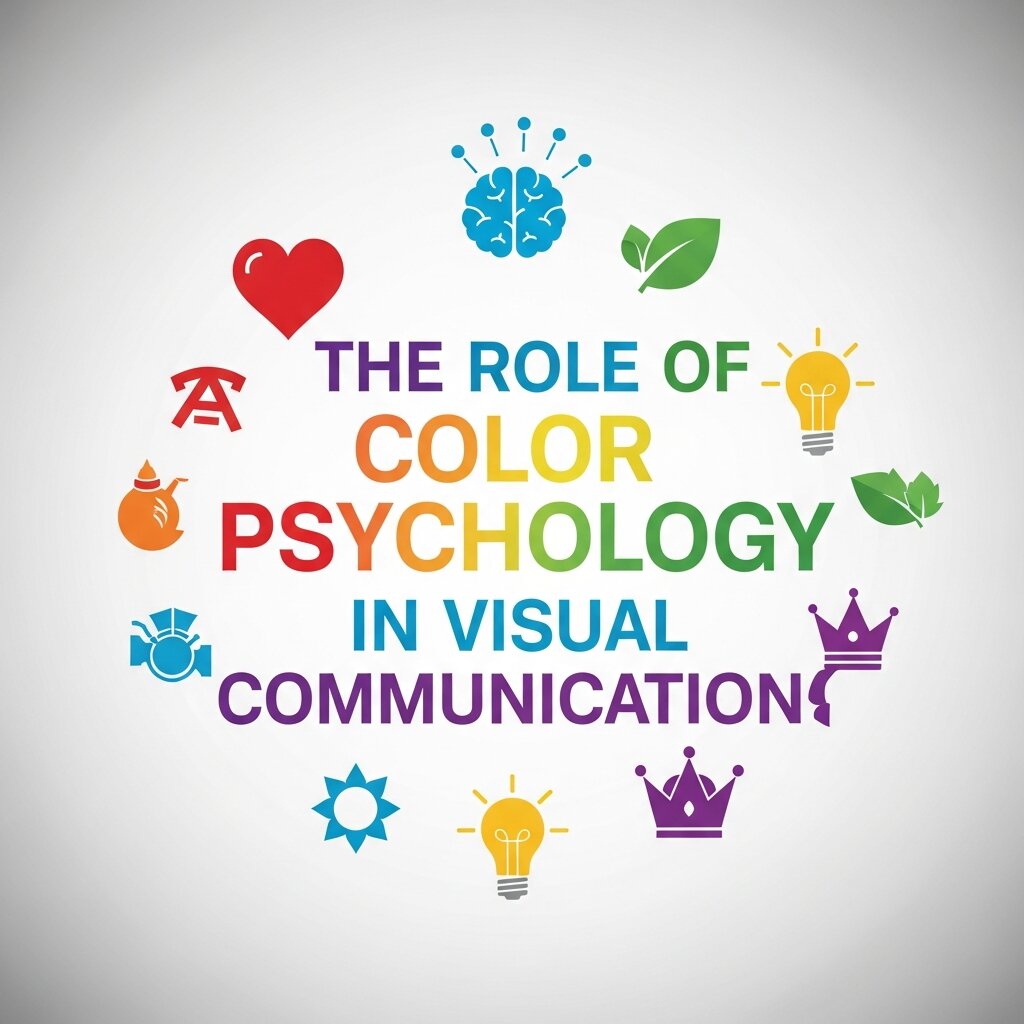 Color plays a powerful role in both graphic design and visual arts, influencing how people perceive and emotionally respond to visual content. Different colors can evoke specific feelings—blue often communicates trust and calmness, while red can signal urgency, passion, or excitement. In graphic design, color psychology is used strategically to guide user behavior, strengthen branding, and improve readability. In the visual arts, color becomes a tool for emotional storytelling and personal expression. Artists use color to set mood, create contrast, and evoke subconscious reactions. Understanding how color impacts perception allows creators to design more intentional and impactful visuals. Whether building a brand identity or creating a fine art piece, color choices shape how audiences connect with the work.
The Importance of Composition and Visual Balance
Composition is the foundation of any strong visual work, whether in graphic design or visual arts. It refers to how elements like shapes, text, images, and space are arranged within a frame. A well-balanced composition guides the viewer’s eye naturally and ensures the message is communicated effectively. Graphic designers rely on grids, alignment, and hierarchy to create structured and functional layouts. Visual artists, however, may break traditional rules to create tension, movement, or emotional impact. Despite their differences, both disciplines depend on a deep understanding of visual balance to create engaging work. Mastering composition helps creators control focus, improve clarity, and deliver stronger storytelling across both artistic and design-driven projects.
The Future of Graphic Design and Visual Arts in the Digital Era
The future of graphic design and visual arts is being shaped by rapid technological advancements. Artificial intelligence, augmented reality, and immersive digital environments are transforming how creators produce and share their work. Designers can now automate repetitive tasks, generate concepts faster, and experiment with endless variations. Meanwhile, visual artists are exploring new digital mediums such as NFTs, 3D art, and interactive installations. Despite these changes, the core principles of creativity, storytelling, and emotional connection remain unchanged. The future will likely see even more blending between design and art, where boundaries continue to blur. Creators who adapt to new tools while maintaining strong foundational skills will thrive in this evolving creative landscape.
Frequently Asked Questions About Art and Design
What is the difference between graphic design and visual arts?
Graphic design is focused on solving communication problems using visuals such as typography, layout, and branding to deliver a clear message. Visual arts, on the other hand, are more about personal expression, emotion, and interpretation without strict rules or objectives. While graphic design is goal-oriented and client-driven, the visual arts are more open-ended and subjective, allowing the creator full creative freedom.
Can graphic design and visual arts overlap?
Yes, these two fields often overlap in practice. Many modern creatives blend artistic expression with design principles to create visually compelling and meaningful work. For example, advertising campaigns, album covers, and digital branding often use fine art techniques to enhance emotional impact while still maintaining clear communication goals. This combination creates more engaging and memorable visuals.
What skills are important for both graphic design and visual arts?
Both disciplines require a strong understanding of composition, color theory, balance, and visual storytelling. Observation is also a key skill, as it helps creators analyze and learn from existing visual work. In addition, digital tool proficiency is important for graphic designers, while experimentation and conceptual thinking are essential for visual artists.
Do I need drawing skills to work in graphic design?
No, drawing skills are not mandatory for becoming a graphic designer. While sketching can help with idea development, most graphic design work relies on digital tools, typography, layout design, and software proficiency. However, having basic drawing ability can still be useful for brainstorming and communicating concepts visually.
How does visual art influence modern graphic design?
Visual art brings emotion, creativity, and originality into graphic design. Designers often borrow techniques like painting styles, illustration, texture work, and abstract composition to make their designs more expressive. This influence helps brands create stronger emotional connections with their audiences while maintaining functional communication.
Your Next Steps in the Creative Journey
Mastering graphic design and visual arts is a lifelong pursuit, filled with constant learning and experimentation. By recognizing how the strategic focus of design supports the boundless creativity of visual art, you can develop a unique voice that resonates deeply with audiences.
Start looking at the world around you with a dual perspective. Analyze the advertisements you see for their grid structures, but also appreciate the emotional impact of their color choices. Pick up a sketchbook, open your digital canvas, and begin blending these disciplines today. The more you experiment, the more powerful your creative expression will become.



Leave a Reply