

Fashion has always borrowed from art, but the line between the two has never been blurrier. Today, the graphic design in fashion industry is doing more than decorating t-shirts and designing logos. It’s shaping how brands tell stories, how collections come to life, and how shoppers experience clothing before they ever step into a store.
From AI-generated prints to immersive digital runways, the tools designers use are evolving fast. What once required a sketchpad and a steady hand can now be prototyped in minutes with software that learns your style. And the results aren’t just faster—they’re often bolder, stranger, and more personal than anything we’ve seen before.
This post breaks down where graphic design in fashion is headed. You’ll learn about the technologies reshaping the field, the design trends gaining momentum, and the skills that will matter most for designers who want to stay ahead. Whether you create for a major label or run a small independent brand, these shifts will affect how you work.
How Technology is Reshaping Graphic Design in Fashion
Technology has become the engine behind modern fashion design. Designers are no longer limited by physical samples, slow production cycles, or the cost of trial and error. Instead, they can experiment freely, test ideas digitally, and bring concepts to market faster than ever.
AI and Generative Design Tools
Artificial intelligence is changing how designers approach the blank page. Tools like Adobe Firefly, Midjourney, and DALL·E let designers generate hundreds of pattern variations from a single text prompt. A designer can type “art deco floral in muted gold” and receive a starting point in seconds.
This doesn’t replace creativity—it accelerates it. AI handles the repetitive work of iteration, freeing designers to focus on curation and refinement. Many fashion houses now use generative tools to explore color stories and motifs before committing to a final print.
The same logic applies far beyond fashion. The principles of strong visual communication carry over to graphic design for lawyers preparing courtroom exhibits, or graphic design for real estate listings that need to grab attention in a crowded market. Good design solves problems, no matter the industry.
3D Design and Digital Prototyping
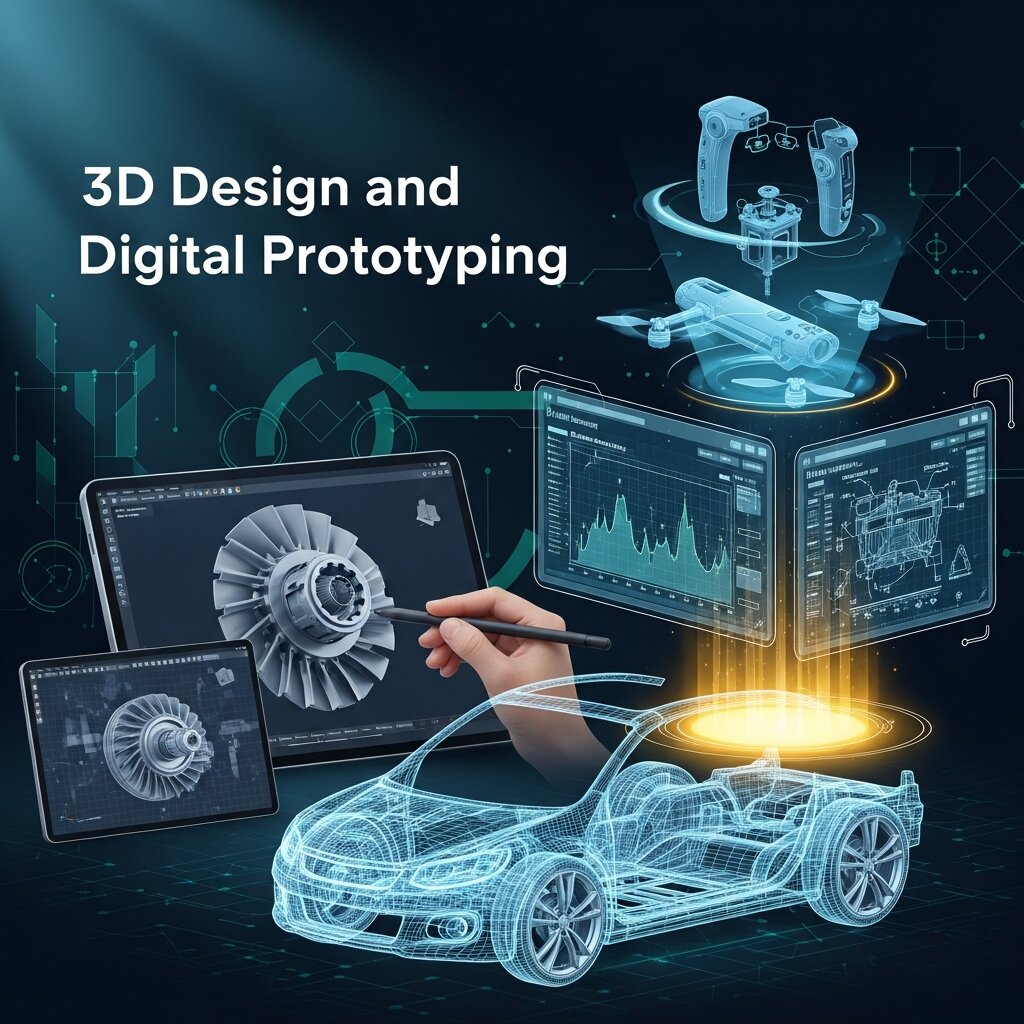 Software like CLO 3D and Browzwear allows designers to build garments digitally, draping fabric on virtual models without cutting a single piece of cloth. Graphic elements—prints, embroidery, embellishments—can be applied and adjusted in real time.
This shift cuts waste dramatically. Brands can review dozens of digital samples instead of shipping physical prototypes around the world. It also speeds up decision-making, since teams can collaborate on the same 3D file from different cities.
Augmented and Virtual Reality
AR and VR are opening new spaces for fashion graphics. Virtual try-on features let shoppers see how a printed jacket looks on them before buying. Digital fashion shows place graphic-heavy garments in surreal environments that would be impossible to build physically.
Some brands now sell digital-only clothing—garments that exist purely as graphics, worn in photos and virtual worlds. This niche may sound futuristic, but it points to a future where fashion graphics live online as often as they live on fabric.
Design Trends Defining the Next Era of Fashion Graphics
As the tools change, so do the styles. The most exciting trends in graphic design for fashion blend technical skill with bold creative choices.
Maximalism and Bold Visual Storytelling
After years of minimalist branding, fashion is embracing maximalism again. Think dense patterns, clashing colors, and layered graphics that demand attention. Designers are treating garments like canvases, packing them with detail and meaning.
This approach rewards designers who understand visual hierarchy. Even a busy design needs structure, guiding the eye to what matters most. The same data visualization hierarchy principles that help an infographic communicate clearly also help a complex print feel intentional rather than chaotic.
Sustainable and Conscious Design
Sustainability is no longer a side conversation—it’s central to how brands present themselves. Graphic designers play a key role here, creating visuals that communicate a brand’s values clearly and honestly.
This shows up in subtle ways: clean packaging that highlights recycled materials, hangtags that explain a garment’s journey, and prints that reduce ink usage. Digital prototyping also supports this goal by cutting the waste tied to physical sampling.
Nostalgia and Retro Revival
 Vintage aesthetics keep returning, but with a modern twist. Y2K graphics, ’90s grunge typography, and ’70s color palettes are showing up across collections. Designers mix these references with contemporary techniques, creating work that feels familiar yet fresh.
The trick is balance. Lean too hard into nostalgia and the design feels dated. Blend it with modern layout and production methods, and it feels like a deliberate creative choice.
Personalization at Scale
Consumers want products that feel made for them. Advances in digital printing and on-demand manufacturing make it possible to offer customizable graphics without massive production runs.
A shopper might choose their own color combination, add a name, or pick from a set of modular design elements. For designers, this means thinking in systems—creating flexible graphics that hold up across many variations.
The Skills Designers Will Need to Stay Competitive
The future belongs to designers who can adapt. Technical talent still matters, but the most valuable designers will combine creative vision with fluency in new tools.
Mastering Digital and Hybrid Workflows
Designers who can move between traditional and digital methods will have an edge. Knowing how to sketch by hand is still useful, but pairing that with 3D software, AI tools, and digital printing knowledge makes a designer far more versatile.
Employers increasingly look for people who understand the full pipeline—from concept to digital prototype to finished product. Broadening your toolkit is one of the best investments you can make.
Understanding Data and Visual Communication
Design is becoming more data-aware. Brands track which colors, patterns, and styles perform best, and designers who can read that data make smarter creative choices.
This is where principles like data visualization hierarchy become useful. Knowing how to present information clearly—whether in a trend report or a product line plan—helps designers communicate ideas to teams and stakeholders who don’t speak the language of design.
Cross-Industry Adaptability
The skills behind great fashion graphics translate to other fields. A designer who masters typography, layout, and visual storytelling can pivot to adjacent work when needed. The demand for graphic design for lawyers, for example, reflects how legal teams now use visuals to simplify complex arguments. Similarly, graphic design for real estate has grown as agents compete for attention with polished branding and listings.
Building a versatile portfolio protects designers against industry slowdowns. It also keeps creative work fresh, since each field brings its own challenges and constraints.
What This Means for Fashion Brands
 For brands, the message is clear: invest in design talent and tools now, or risk falling behind. The companies leading the next era of fashion treat graphic design as a strategic asset, not an afterthought.
Smaller brands have a real opportunity here. Affordable AI tools and digital prototyping have lowered the barrier to entry. A small team with strong design instincts can now produce work that rivals much larger competitors, without the same overhead.
The brands that win will be those that blend human creativity with smart technology. Tools can generate options, but taste, judgment, and storytelling still come from people. That human element remains the heart of great design.
The Growing Influence of Social Media on Fashion Graphics
Social media has become one of the biggest drivers of graphic design trends in fashion. Platforms like TikTok, Instagram, and Pinterest can turn a design style into a global trend almost overnight. Fashion brands now create graphics specifically for digital engagement, focusing on eye-catching visuals that perform well across social channels.
This shift has changed the way designers work. Instead of creating graphics solely for garments, many now design with multiple touchpoints in mind, including social posts, digital ads, influencer campaigns, and interactive content. The ability to create visually striking, shareable designs has become a valuable skill in today’s fashion landscape.
The Role of Branding in Fashion Graphic Design
Strong branding is essential for long-term success in the fashion industry. Graphic design helps establish a consistent visual identity that customers instantly recognize. From logos and packaging to website visuals and clothing tags, every design element contributes to a brand’s overall image.
Successful fashion brands use graphic design to communicate their personality, values, and target audience. Consistent branding builds trust, strengthens customer loyalty, and helps brands stand out in a crowded marketplace. As competition continues to grow, strategic graphic design will remain a key differentiator.
Career Opportunities in Fashion Graphic Design
The evolution of technology is creating exciting career opportunities for graphic designers in fashion. Traditional roles such as print designers and brand designers are now joined by positions focused on digital fashion, 3D design, virtual experiences, and AI-assisted creative development.
Designers with expertise in both creative principles and emerging technologies are increasingly in demand. Whether working for global fashion houses, e-commerce brands, marketing agencies, or independent labels, professionals who can blend creativity with digital innovation will have a competitive advantage in the years ahead.
Frequently Asked Questions
1. What is graphic design in the fashion industry?
Graphic design in the fashion industry involves creating visual elements such as prints, patterns, branding materials, packaging, advertisements, and digital content. It helps fashion brands communicate their identity, attract customers, and enhance the overall appeal of their products and marketing campaigns.
2. Why is graphic design important in fashion?
Graphic design plays a vital role in shaping brand identity, product presentation, and customer engagement. Effective design helps fashion brands stand out in competitive markets, tell compelling stories, and create memorable experiences that influence purchasing decisions.
3. How is AI impacting graphic design in fashion?
Artificial intelligence helps designers generate ideas, create patterns, explore color variations, and speed up the creative process. AI-powered tools support experimentation and innovation, allowing designers to develop concepts more efficiently while maintaining creative control.
4. What software is commonly used for fashion graphic design?
Fashion graphic designers often use tools such as Adobe Illustrator, Adobe Photoshop, CLO 3D, Browzwear, Procreate, and various AI-powered design platforms. These applications help create graphics, develop prototypes, and visualize products before production.
5. What is digital prototyping in fashion design?
Digital prototyping allows designers to create and test virtual garments before manufacturing physical samples. This process reduces costs, minimizes waste, speeds up product development, and improves collaboration between design and production teams.
6. What are the current graphic design trends in fashion?
Popular trends include bold visual storytelling, maximalist designs, sustainable branding, retro-inspired graphics, personalized apparel, AI-generated artwork, and immersive digital experiences through augmented and virtual reality technologies.
7. How does sustainability influence fashion graphic design?
Sustainability encourages designers to create environmentally conscious packaging, optimize print production, reduce material waste, and communicate ethical brand values. Digital tools also help reduce the need for physical samples during the design process.
8. Can graphic designers work in both fashion and other industries?
Yes. Skills such as typography, branding, layout design, visual storytelling, and digital illustration are highly transferable. Many graphic designers successfully work across industries including fashion, real estate, legal services, technology, and marketing.
9. What skills are most important for future fashion graphic designers?
Future designers should develop expertise in digital design software, AI-assisted design tools, 3D modeling, branding, visual communication, trend forecasting, and creative problem-solving. Adaptability and continuous learning will be essential for long-term success.
10. What is the future of graphic design in the fashion industry?
The future will be driven by AI, 3D design, digital fashion, personalization, and immersive technologies. While technology will streamline workflows, human creativity, storytelling, and strategic thinking will remain at the center of successful fashion design.
Where Fashion Design Goes From Here
The future of graphic design in the fashion industry is fast, digital, and deeply creative. AI and 3D tools are speeding up the work, while trends like maximalism, sustainability, and personalization are reshaping what designers create. At the same time, the core skills—visual storytelling, hierarchy, and adaptability—matter as much as ever.
If you’re a designer, now is the time to expand your skills and experiment with new tools. Try a generative AI platform, learn a 3D design program, or study how visual hierarchy shapes the best work in and beyond fashion. If you run a brand, look closely at how design fits into your strategy and where technology could give you an edge.



Leave a Reply