

There’s a reason some brands feel unmistakable the moment you encounter them—before you read a word of copy or hear a jingle. The colors, the fonts, the texture of a business card, the design on a tote bag. Every element speaks. Promotional materials, when done right, do the heavy lifting that digital ads simply can’t: they show up in the physical world, get passed around, and keep your brand top of mind long after first contact.
For businesses looking to grow, promotional materials are one of the most underestimated tools in the marketing mix. They span everything from printed brochures and branded merchandise to event signage and direct mail campaigns. Done poorly, they fade into the background. Done well, they become something people actually want to hold onto—a pen that gets passed around an office, a tote bag that walks through a farmers market, a postcard pinned to someone’s refrigerator.
This post breaks down exactly how promotional materials strengthen brand identity, drive sales, and complement your broader marketing strategy. Whether you’re building a brand from scratch or refreshing an existing one, you’ll walk away with a clear picture of what to prioritize and why.
What Are Promotional Materials—and Why Do They Matter?
Promotional materials are any physical or printed items used to represent a brand, communicate a message, or encourage a purchase. They include print advertising collateral like brochures, flyers, posters, and business cards, as well as branded merchandise such as apparel, drinkware, and stationery. The common thread? They carry your brand into spaces where screens can’t follow.
Digital marketing has made it easier than ever to reach large audiences quickly. But it’s also created enormous noise. The average consumer is served thousands of ads per day, most of which they’ll never consciously register. Promotional materials cut through that noise precisely because they’re tangible. A well-designed product catalog sitting on a desk gets picked up. A branded pen gets used. A beautifully printed event banner gets photographed and shared. That physical presence creates a different kind of brand impression—one grounded in sensory experience rather than a fleeting scroll.
How Promotional Materials Reinforce Brand Identity
 Brand identity is the sum of everything a customer sees, reads, and feels when they interact with your business. Promotional materials are one of the most direct ways to express that identity in the real world.
Consistency Across Touchpoints Builds Trust
Marketing visual design is only effective when it’s consistent. A customer who receives a brochure that looks nothing like your website will feel a subtle disconnect—enough to erode confidence without them knowing why. Promotional materials that mirror your digital brand (same colors, typography, tone of voice, logo usage) reinforce the message that your business is professional, intentional, and reliable.
This consistency matters at every scale. A startup handing out business cards at a networking event and a national retailer running a direct mail campaign both benefit from the same principle: when everything looks like it belongs together, the brand feels trustworthy.
Good Advertising Design Makes Brands Memorable
People remember what they find visually compelling. Advertising design that’s cluttered, generic, or inconsistent with your brand’s personality tends to get ignored—or worse, associated with low quality. Purposeful design, on the other hand, creates a strong mental anchor.
Think about the brands you remember most vividly. Chances are, their visual identity is instantly recognizable across every format—from a billboard to a business card. That recognition doesn’t happen by accident. It’s the result of disciplined, intentional design applied consistently across all promotional materials.
Color psychology plays a significant role here. Studies show that color increases brand recognition by up to 80%, and that specific colors evoke distinct emotional responses. Warm tones like red and orange signal energy and urgency. Blues and greens suggest stability and calm. Your promotional materials should use color deliberately, not decoratively.
Branded Merchandise Extends Your Reach Organically
One of the most powerful features of branded merchandise is that it keeps working after it leaves your hands. A customer who receives a quality tote bag or a useful notebook becomes a walking advertisement for your brand. Unlike a social media post, which disappears from feeds within hours, a well-made piece of branded merchandise can stay in circulation for months or years.
This is especially effective when the merchandise is genuinely useful. Phone chargers, reusable water bottles, and quality apparel get used daily—and every time they do, your brand gets another impression.
The Sales Case for Promotional Materials
Brand awareness is valuable, but the ultimate goal of most marketing efforts is to drive revenue. Promotional materials contribute to sales in several direct and indirect ways.
Print Advertising Captures Attention in a Saturated Digital Market
There’s a growing body of evidence suggesting that physical print advertising generates stronger emotional responses than digital ads. According to research by Canada Post, direct mail requires 21% less cognitive effort to process than digital media, and produces 20% higher motivation responses. Physical materials engage more of the senses, which translates into better recall and stronger purchase intent.
For local businesses in particular, print advertising remains one of the most cost-effective ways to reach a targeted audience. A well-designed flyer dropped in the right neighborhood, or a postcard sent to a curated mailing list, can generate immediate foot traffic and measurable sales results.
Promotional Materials Support Every Stage of the Sales Funnel
Not every customer is ready to buy the moment they encounter your brand. Promotional materials can be tailored to meet buyers wherever they are in the decision-making process.
At the awareness stage, eye-catching posters, event signage, and branded merchandise introduce your business to new audiences. At the consideration stage, product brochures, case study one-pagers, and comparison guides give potential customers the information they need to evaluate your offering. At the decision stage, limited-time promotional inserts, discount cards, and personalized direct mail can tip the balance in your favor.
When your promotional strategy maps to the buyer journey, each piece of collateral serves a specific purpose—rather than existing in isolation.
Strategic Giveaways Drive Engagement and Loyalty
 Giving something away for free might seem counterintuitive as a sales tactic, but the psychology behind promotional giveaways is well-established. Receiving a gift—even a small branded one—creates a sense of reciprocity. Customers who receive something from a brand are more likely to feel positively toward it and more inclined to make a purchase.
This is why event giveaways, subscription box inserts, and in-store freebies remain staples of effective marketing campaigns. The key is choosing merchandise that feels genuinely valuable, not cheap. A flimsy pen with a faded logo does more harm than good. A quality item with clean, well-executed marketing visual design leaves a lasting positive impression.
How to Design Promotional Materials That Actually Work
Great promotional materials don’t happen by chance. They’re the result of strategic planning, disciplined design, and a clear understanding of the audience.
Start with a Clear Objective
Every piece of promotional material should have a single, clear goal. Is it to generate leads? Drive foot traffic? Build brand awareness among a new demographic? Retain existing customers? Clarity of purpose shapes every design decision that follows—from the headline to the call-to-action to the choice of format.
Trying to accomplish too many things at once is one of the most common mistakes in advertising design. A brochure that attempts to explain your full product range, share your brand story, and close a sale all at once will overwhelm the reader. Focus on one primary message and build everything around it.
Invest in Professional Design
Marketing visual design is not the place to cut corners. Amateurish design signals to customers that your business may not be reliable or professional—even if your product is exceptional. Professional designers understand how to balance visual hierarchy, whitespace, typography, and color to create materials that are both beautiful and effective.
If a full-time designer isn’t in the budget, there are excellent freelance platforms and design agencies that specialize in promotional collateral. The investment pays for itself many times over in the quality of impression it creates.
Choose the Right Format for the Right Audience
Not all promotional materials work equally well across all contexts. A detailed product catalog makes sense for a B2B company selling complex machinery. A punchy postcard is better suited to a local restaurant promoting a weekend special. Branded apparel works well for lifestyle and fitness brands, but might feel out of place for a financial services firm. Understanding your audience’s preferences, habits, and environment will help you choose formats that feel natural and welcome—rather than forced.
Track Performance Where Possible
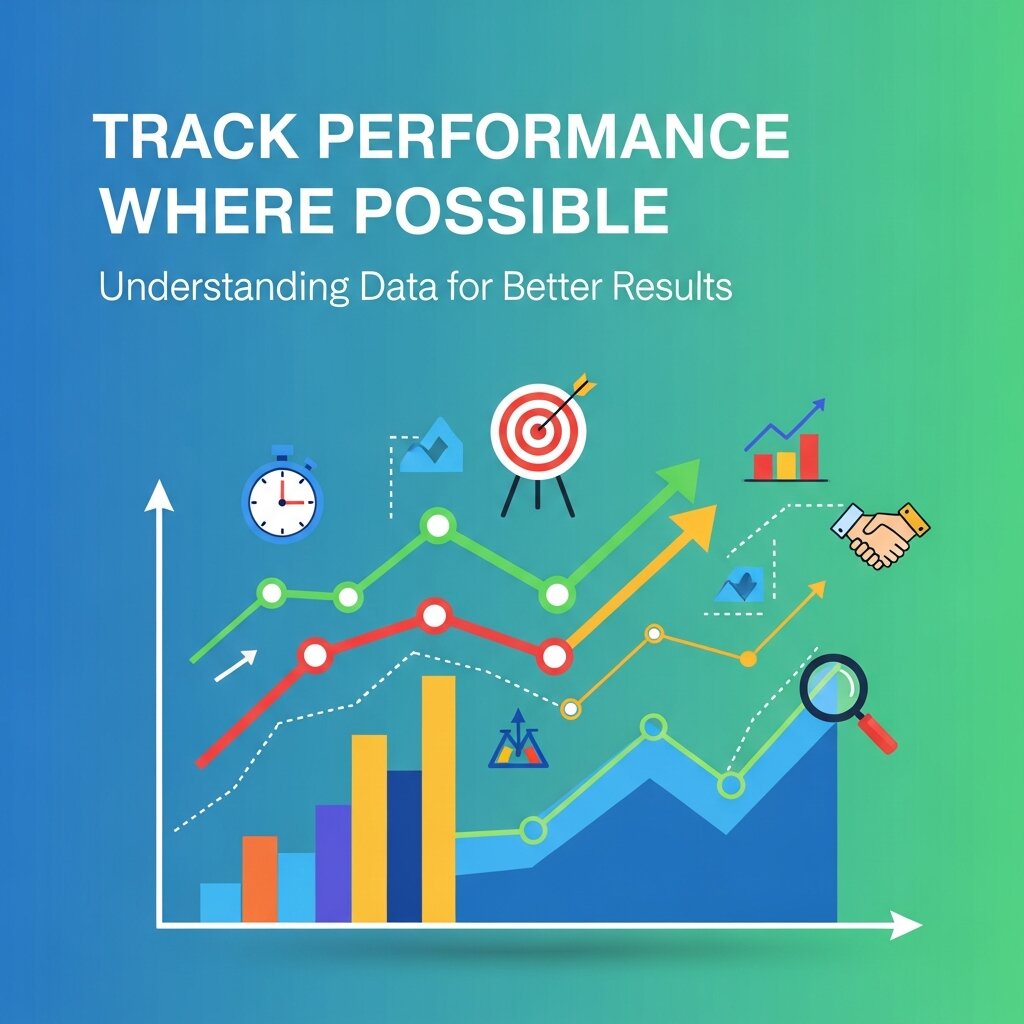 One challenge with physical promotional materials is attribution—knowing which pieces are actually driving results. But it’s not impossible to measure. QR codes, unique discount codes, and dedicated landing page URLs can all be embedded in print advertising to track engagement and conversions. Running A/B tests across different designs or formats and comparing response rates gives you real data to refine your approach over time.
Frequently Asked Questions About Promotional Materials
1. What are promotional materials?
Promotional materials are branded physical or printed items used to communicate a business message, increase brand awareness, or encourage purchases. Examples include brochures, flyers, business cards, posters, branded merchandise, event signage, and direct mail.
2. Why are promotional materials important for businesses?
Promotional materials create tangible brand experiences that can help businesses stand out from digital advertising. Well-designed materials can strengthen brand recognition, support sales efforts, and keep a business visible to customers beyond an initial interaction.
3. What types of promotional materials are most effective?
Effective options depend on the audience and marketing objective. Common choices include brochures, flyers, posters, business cards, product catalogs, postcards, branded apparel, drinkware, stationery, and event signage.
4. How do promotional materials strengthen brand identity?
Promotional materials reinforce brand identity by consistently using the same colors, typography, logo, and tone as other brand touchpoints. This visual consistency can make a business appear more professional, recognizable, and trustworthy.
5. Can promotional materials help increase sales?
Yes. Promotional materials can support different stages of the sales funnel. Posters and merchandise can create awareness, brochures and comparison guides can support consideration, while discount cards and direct mail can encourage purchase decisions.
6. How should businesses choose the right promotional materials?
Businesses should consider their target audience, marketing objective, industry, and the environment where the material will be used. A product catalog may suit a complex B2B product, while a postcard may be more appropriate for a local promotion.
7. Why is professional design important for promotional materials?
Professional design helps create a polished and credible impression. Effective promotional design uses visual hierarchy, whitespace, typography, and color strategically so the material communicates its message clearly without overwhelming the audience.
8. How can businesses measure the performance of promotional materials?
Businesses can use QR codes, unique discount codes, dedicated landing pages, and different campaign designs to track engagement and conversions. Comparing response rates can help determine which materials perform best.
9. Are promotional giveaways effective for marketing?
Promotional giveaways can encourage engagement and create positive associations with a brand. The strongest results typically come from useful, quality merchandise that customers genuinely want to keep and use.
10. How often should promotional materials be updated?
Promotional materials should be reviewed regularly as the brand, products, services, and design trends evolve. Keeping materials current ensures they accurately represent the business and remain consistent with its overall brand identity
Building a Promotional Strategy That Lasts
The most effective promotional materials aren’t one-off projects—they’re part of a coherent, ongoing strategy. Brands that consistently show up with well-designed, on-brand collateral across multiple touchpoints build a cumulative impression that’s far more powerful than any single campaign.
That means revisiting your materials regularly. Design trends evolve. Your brand may mature. New product lines emerge. Keeping your promotional materials current ensures they accurately represent who your business is today—not who it was three years ago.The businesses that treat promotional materials as a strategic asset, rather than an afterthought, are the ones that build lasting recognition, loyalty, and sales momentum. The physical world is still full of opportunity. The question is whether your brand is showing up in it with intention.



Leave a Reply