

A customer interacts with your brand long before they speak to a sales representative or make a purchase. They interact through the visual cues you put out into the world. Within milliseconds of seeing a brochure, a website, or a billboard, the human brain processes shapes, colors, and typography to form an immediate opinion about your company. This rapid assessment dictates whether they view your business as premium, trustworthy, outdated, or unreliable.
The aesthetic choices a company makes carry immense psychological weight. Every visual touchpoint sends a silent message to the consumer, communicating your core values and setting expectations for the quality of your products or services. When a design looks polished and intentional, customers naturally assume the business operates with the same level of care. Conversely, poor layouts or disjointed branding can instantly erode credibility, driving potential buyers toward competitors who present a more cohesive front.
Understanding the unique characteristics of different media is essential for crafting a successful brand strategy. The physical interaction of a heavy cardstock business card creates a vastly different neurological response than the smooth scroll of a mobile application. Navigating the intersection of print and digital design allows marketers to leverage the strengths of both formats. By mastering these visual disciplines, organizations can strategically guide customer perception, foster brand loyalty, and ultimately drive sustainable growth.
The Tactile Weight of Print Mediums
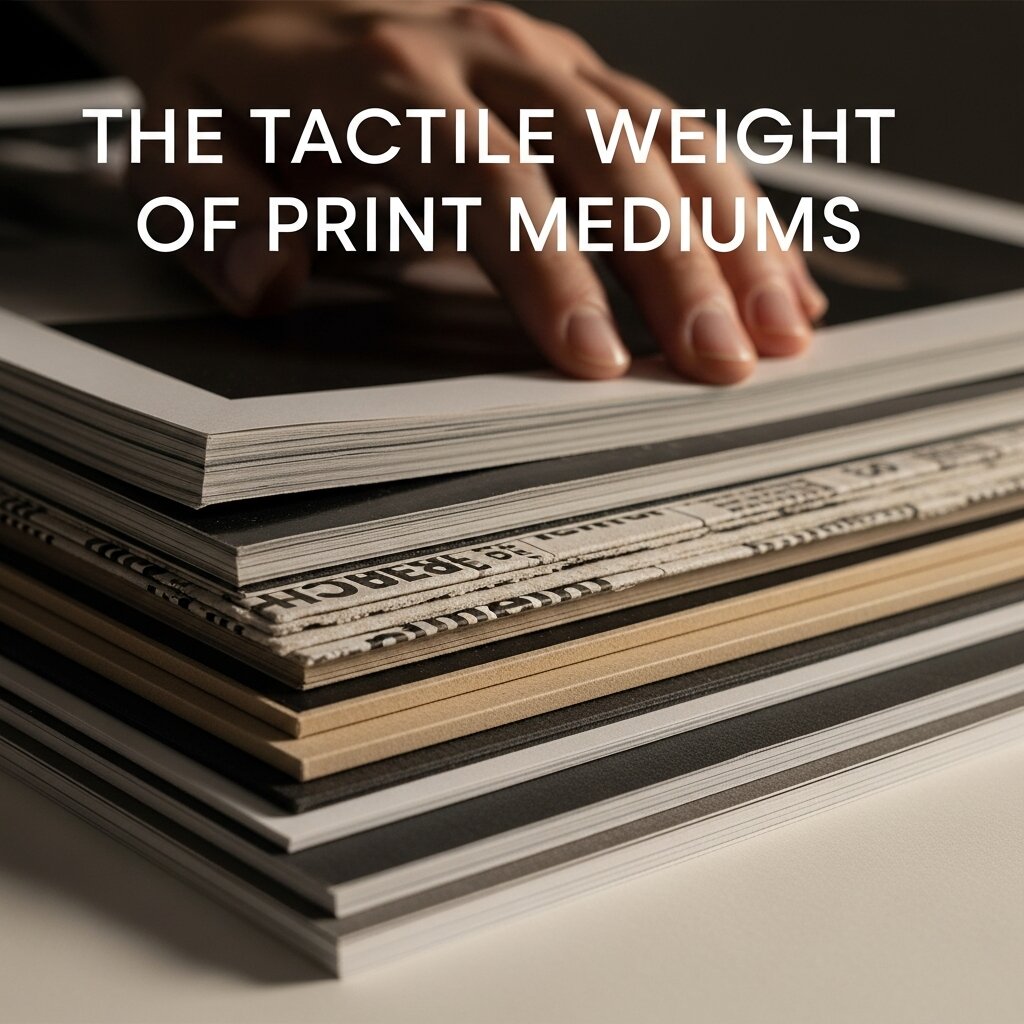 Physical marketing materials occupy real space in a customer’s world. They demand a different level of attention than a fleeting banner ad on a website. When someone holds a beautifully printed catalog or unboxes a custom package, they engage multiple senses simultaneously.
Building Trust Through Tangibility
Print carries an inherent sense of permanence and authority. Because printing requires a financial investment and physical distribution, consumers subconsciously attach higher value to printed materials. A high-quality magazine or a well-crafted direct mail piece signals stability. Customers often perceive companies that invest in premium print design as established and dependable.
The physical attributes of the material play a massive role in this perception. Heavyweight paper, embossed logos, and matte finishes communicate luxury and exclusivity. Flimsy paper and blurry ink suggest a brand is cutting corners. Every choice made during the printing process tells the customer exactly how much the company values its own image.
The Sensory Experience
Unlike digital formats, print engages the sense of touch. The texture of the paper, the weight of a brochure, and even the smell of fresh ink contribute to the overall memory of the brand. This sensory engagement creates a stronger emotional connection and improves brand recall. People tend to keep high-quality printed items longer, allowing the design to serve as a persistent reminder of the company inside their homes or offices.
The Dynamic Reach of Digital Media
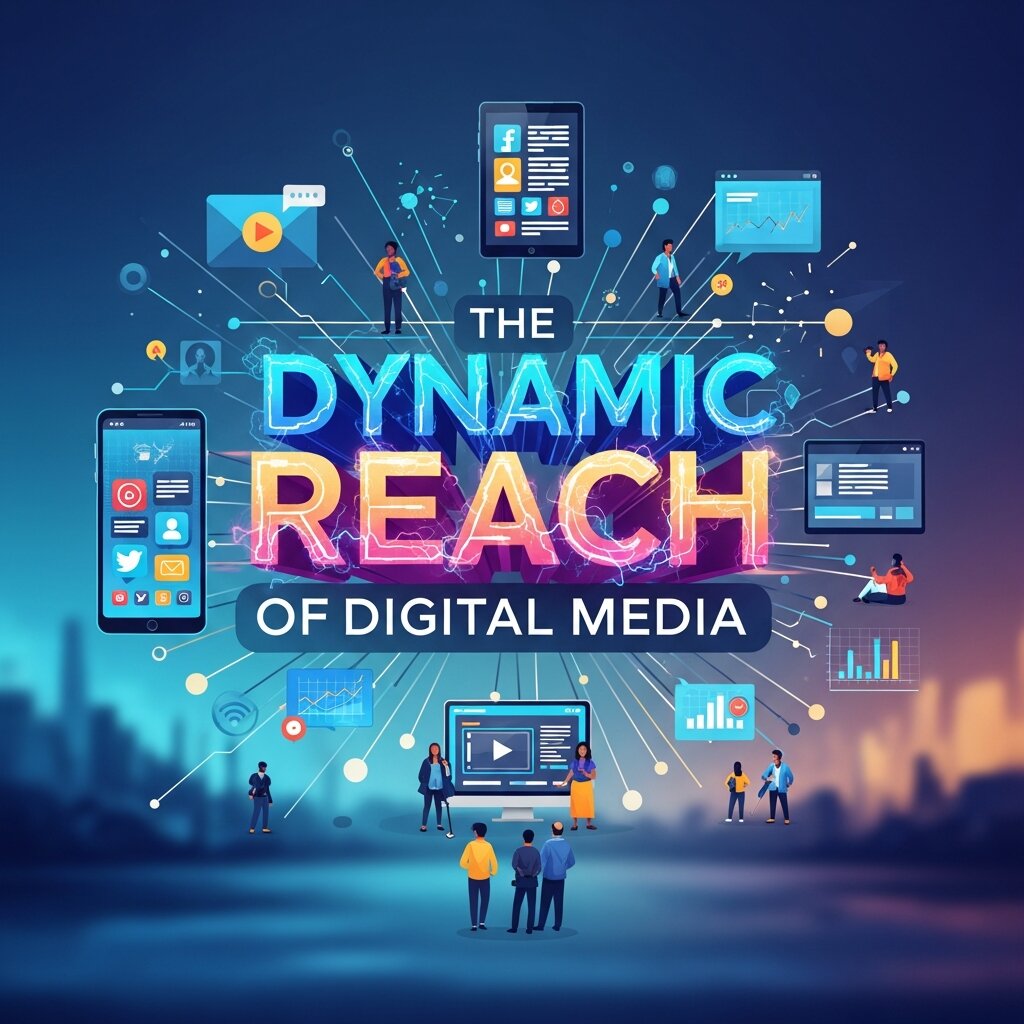 While print offers permanence, digital channels provide unprecedented speed, interactivity, and reach. A user’s digital experience is fluid, adapting to different devices, screen sizes, and user preferences in real-time.
The Role of Digital Graphic Design
Effective digital graphic design requires an understanding of user behavior and screen-based constraints. Designers must consider loading times, mobile responsiveness, and accessibility standards while maintaining visual appeal. The digital space allows for constant iteration. If a specific color or layout fails to resonate with the audience, companies can pivot immediately based on analytics and engagement metrics.
Digital environments also demand clarity and ease of navigation. A cluttered website frustrates users, leading to high bounce rates and negative brand associations. Clean, intuitive interfaces signal that a company values the customer’s time and is easy to do business with. The seamless integration of typography, spacing, and imagery ensures the user journey remains frictionless from the homepage to the checkout screen.
Enhancing Engagement with Audio Visual Design
The digital landscape is not limited to static images. Incorporating audio visual design elevates the customer experience by adding motion and sound. High-quality video content, subtle UI animations, and carefully selected sound effects create an immersive environment.
A well-produced video tutorial or an animated explainer builds confidence by demonstrating product functionality clearly. Conversely, poorly compressed videos or harsh, unexpected audio can alienate users. Mastering the audio visual components ensures the brand feels modern, engaging, and attuned to contemporary communication styles.
Strategies for a Cohesive Brand Identity
Companies often make the mistake of siloing their marketing efforts, treating offline and online campaigns as entirely separate entities. To truly influence customer perception, a brand must present a unified front across all channels.
Aligning Print and Digital Design
The core elements of your brand identity must remain consistent, regardless of the medium. Your logo, color palette, and typography should translate seamlessly from a massive outdoor billboard to a tiny smartphone screen. When a customer receives a printed mailer and subsequently visits your website, the visual transition should feel natural.
Consistency breeds familiarity, and familiarity breeds trust. If your printed materials feature a classic, serif typography and a muted color palette, but your website utilizes neon colors and aggressive animations, the customer experiences cognitive dissonance. This disconnect confuses the audience and dilutes the overall brand message.
Adapting Assets for the Medium
Consistency does not mean exact replication. A successful strategy involves adapting the core visual identity to suit the specific strengths of each format. A highly detailed infographic might work perfectly as a full-page magazine spread, where the reader has time to absorb the information. Taking that exact same dense graphic and squeezing it into an Instagram post will result in an unreadable, frustrating experience.
Instead, designers should extract key data points from the print version and create a series of simplified, swipeable graphics for social media. The branding remains identical, but the execution changes to match the user’s viewing habits on that specific platform.
Deepening Your Knowledge
Creating visually compelling campaigns requires continuous learning and a deep understanding of design theory. The rules of composition, color theory, and typography remain constant, even as technology evolves.
Professionals looking to refine their skills often turn to foundational resources. Studying visual design books provides insights into the historical context of graphic communication and the psychological principles that govern human perception. Books detailing the evolution of typography, the mechanics of grid systems, and the psychology of color offer timeless wisdom that applies equally to a printed poster and a mobile application interface. By internalizing these core concepts, marketers and designers can make deliberate, strategic choices rather than relying on fleeting aesthetic trends.
Evaluating the Customer Response
 Design is entirely subjective, but its impact on a business is measurable. Organizations must continuously evaluate how their visual choices affect customer behavior and adjust their strategies accordingly.
In the digital realm, measuring success is highly quantitative. Analytics platforms track click-through rates, time spent on page, and conversion metrics. A/B testing different hero images or button colors provides concrete data on what visual elements drive the desired action.
Measuring the impact of physical materials requires a different approach. Companies can use dedicated promo codes, custom landing page URLs, or QR codes printed on physical mailers to track how offline designs drive online traffic. Customer surveys and focus groups also provide valuable qualitative feedback, revealing the emotional responses triggered by specific branding efforts.
The Importance of Accessibility in Print and Digital Design
Accessibility is no longer optional in modern design. Businesses must ensure that their print and digital materials are easy to understand and use for people of all abilities. In digital design, this includes using readable fonts, proper color contrast, alt text for images, and intuitive navigation structures. Print materials should also consider readability through clear typography, appropriate spacing, and simple layouts. Accessible design not only expands your audience but also demonstrates that your brand values inclusivity and customer experience. When people can interact with your content effortlessly, they develop a more positive perception of your company and are more likely to engage with your products or services.
The Future of Print and Digital Design
The future of print and digital design will be shaped by innovation, personalization, and immersive experiences. Technologies such as augmented reality, artificial intelligence, and interactive content are already transforming how brands communicate with their audiences. Printed materials are becoming more dynamic through QR codes and AR features that connect physical products to digital experiences. Meanwhile, digital design is evolving with personalized interfaces, voice interactions, and data-driven visuals tailored to individual users. Businesses that embrace these trends will create stronger customer connections and remain competitive in an increasingly visual marketplace. The brands that succeed will be those that balance creativity with technology while maintaining a consistent and memorable identity across every touchpoint.
Frequently Asked Questions
1. What is the difference between print and digital design?
Print design focuses on creating physical materials such as brochures, business cards, and packaging, while digital design is created for screens like websites, apps, and social media. Both require different techniques but should maintain consistent branding to strengthen customer recognition and trust.
2. Why is print design still important in the digital age?
Print design remains valuable because it creates a tangible experience that customers can physically interact with. High-quality printed materials often feel more trustworthy and memorable, helping businesses establish credibility and create lasting impressions that digital advertisements sometimes fail to achieve.
3. How does digital design influence customer behavior?
Digital design affects how users interact with your brand online. Clean layouts, fast-loading pages, and intuitive navigation improve user experience, while attractive visuals capture attention. Effective digital design encourages engagement, builds trust, and increases the likelihood of customers making purchasing decisions.
4. How can businesses maintain consistency across print and digital platforms?
Businesses should use the same logo, color palette, typography, and brand voice across all marketing materials. While designs may be adapted for different formats, maintaining these core visual elements ensures customers experience a unified brand identity wherever they encounter your business.
5. What role does typography play in brand perception?
Typography influences how customers perceive a brand’s personality and professionalism. Elegant fonts can communicate luxury, while modern sans-serif fonts often suggest innovation and simplicity. Choosing the right typography helps reinforce brand identity and creates a more engaging customer experience across all channels.
6. Why is visual consistency important for customer trust?
Visual consistency creates familiarity, and familiarity builds trust. When customers repeatedly see the same colors, logos, and design style, they develop confidence in the brand. Inconsistent visuals can create confusion and make a business appear less professional or reliable in the eyes of consumers.
7. How do businesses measure the success of their design strategies?
Businesses measure design success through metrics such as website traffic, conversion rates, customer engagement, and brand recognition. For print campaigns, tools like QR codes, promotional codes, and customer surveys help track performance and reveal how visual materials influence customer behavior and purchasing decisions.
8. What are the benefits of combining print and digital design?
Combining print and digital design allows businesses to leverage the strengths of both mediums. Print provides a tangible and memorable experience, while digital offers speed, interactivity, and broad reach. Together, they create a comprehensive marketing strategy that strengthens brand awareness and customer engagement.
9. How does audio visual design improve digital experiences?
Audio visual design enhances digital experiences by incorporating videos, animations, and sound effects that make content more engaging. High-quality multimedia elements can explain complex ideas, increase user interaction, and create stronger emotional connections, helping brands communicate more effectively with modern audiences across digital platforms.
10. What should businesses consider when choosing a design strategy?
Businesses should consider their target audience, marketing goals, budget, and preferred communication channels. A successful design strategy balances creativity with functionality, ensuring that every visual element supports the brand message and delivers a consistent, memorable experience across both print and digital platforms.
Building a Better Brand Experience
The visual elements of your business serve as the foundation of your customer relationships. Every color choice, font pairing, and paper texture contributes to a larger narrative about who you are and what you stand for. By mastering the distinct advantages of both physical and digital mediums, you can craft an experience that resonates deeply with your target audience.
Take a critical look at your current marketing materials across all channels. Identify any inconsistencies between your offline and online presence. Invest the time and resources necessary to align your print and digital design strategies, ensuring every touchpoint accurately reflects the quality and professionalism of your organization. A cohesive, thoughtfully designed brand commands attention, builds unwavering trust, and secures long-term customer loyalty.



Leave a Reply