

Think about the last time you recognized a clothing brand from across the street. Maybe it was a swoosh on a sneaker, a tiny logo stitched onto a shirt pocket, or a color scheme that felt instantly familiar. That spark of recognition didn’t happen by accident. It was the result of careful, intentional graphic design.
Graphic design in clothing is the visual language that brands use to communicate who they are. It covers everything from logos and typography to color palettes, packaging, and the patterns printed on the fabric itself. When done well, design turns a simple piece of cloth into something people feel proud to wear—and something they remember.
In this post, we’ll explore how graphic design builds brand identity, why it drives recognition, and what design principles fashion brands rely on to stand out. Whether you run a small clothing label or you’re curious about the strategy behind your favorite brands, you’ll come away with a clearer understanding of why design matters so much in fashion.
What Is Brand Identity in Fashion?
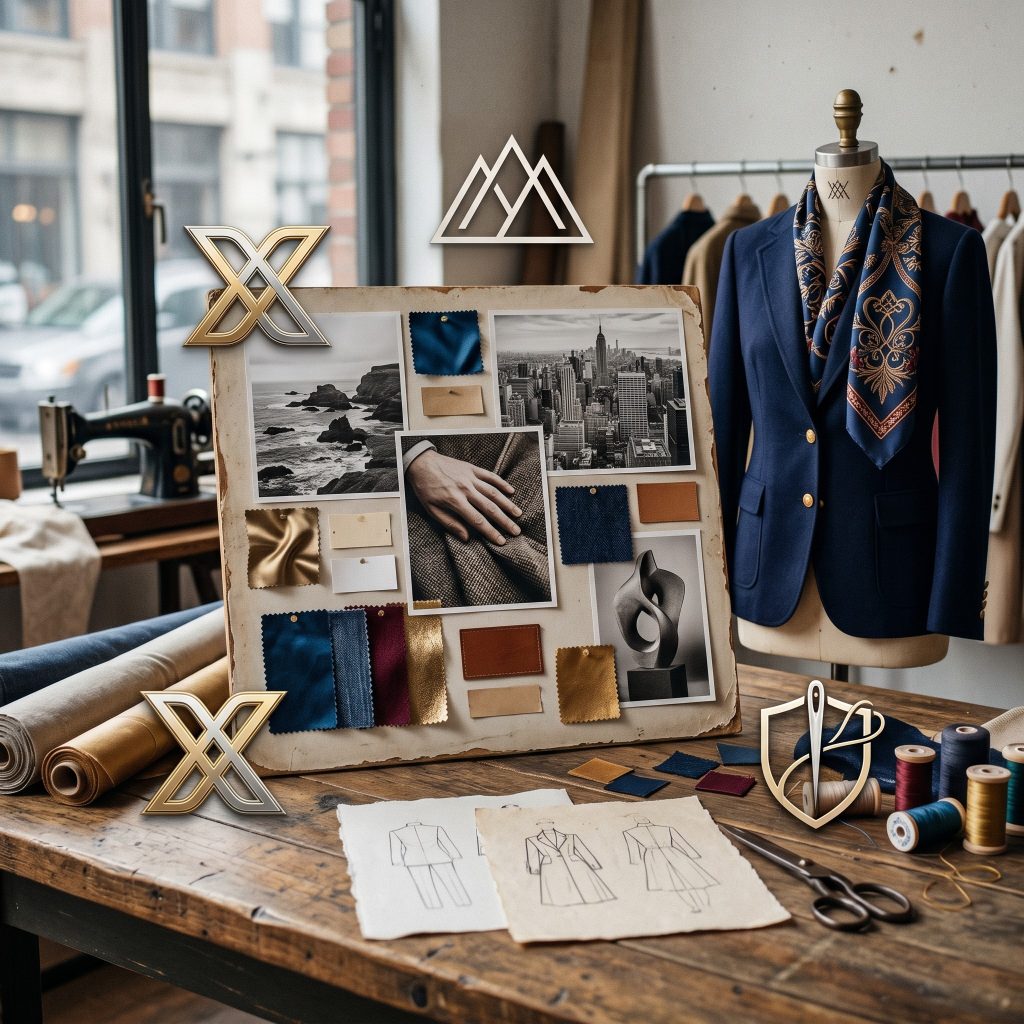 Brand identity is the collection of visual and emotional elements that make a clothing brand unique. It’s the personality of the brand, expressed through what people can see and feel.
A strong brand identity usually includes a few key pieces:
- Logo: The signature mark that customers instantly associate with the brand.
- Color palette: A consistent set of colors used across products, packaging, and marketing.
- Typography: The fonts and lettering styles that appear on tags, ads, and websites.
- Imagery and patterns: The photography style, graphics, and prints that define the brand’s look.
- Tone and messaging: The words and attitude that accompany the visuals.
When these elements work together, they create a feeling. Think of how a luxury brand uses sleek black-and-white photography and minimal fonts to suggest sophistication. Compare that to a streetwear label that leans into bold graphics, clashing colors, and playful typography. The design choices tell you exactly what the brand stands for before you read a single word.
Why Graphic Design Drives Brand Recognition
Recognition is one of the most valuable assets a clothing brand can build. The faster people identify your brand, the stronger your presence in the market. Graphic design is the engine behind that recognition.
Consistency creates memory
People remember what they see repeatedly. When a brand uses the same logo, colors, and design style across every touchpoint—from the storefront to the shopping bag to the Instagram feed—those visuals become locked in the customer’s memory. Inconsistent design has the opposite effect, leaving customers confused about who you are.
Logos work as visual shorthand
A great logo can carry an entire brand on its shoulders. Some of the most recognized clothing logos are so simple they can be drawn from memory. That simplicity is by design. A clean, memorable logo scales well, looks good on a tiny tag or a giant billboard, and stays recognizable for decades.
Color sparks emotion and recall
Color is one of the most powerful tools in graphic design. It triggers emotion and aids memory. A specific shade can become so tied to a brand that customers recognize it without seeing the name at all. Choosing the right palette—and sticking to it—helps a clothing brand own a piece of visual territory in the customer’s mind.
The Core Elements of Graphic Design in Clothing
Let’s break down the specific design tools fashion brands use to build their identity.
Typography that speaks the brand’s language
Fonts carry tone. A hand-drawn script feels personal and artisanal, while a bold sans-serif feels modern and confident. Clothing brands choose typography that matches their personality, then apply it consistently across labels, hangtags, marketing, and even printed designs on the garments themselves.
Color theory and palette building
A thoughtful color palette does more than look attractive. It guides emotion, sets the mood, and supports recognition. Many brands build a primary palette of two or three core colors, then add secondary shades for flexibility. This is where principles borrowed from data visualization graphic design can help—designers think carefully about which colors lead the eye and which support, much like building a clear data visualization hierarchy that tells the viewer what matters most.
Logo and mark design
The logo is the cornerstone of brand identity. Effective clothing logos tend to be simple, versatile, and timeless. They need to work in a single color, scale to any size, and remain legible whether they’re embroidered on a polo or printed on a tote bag.
Patterns, prints, and graphics
For many clothing brands, the artwork on the product is the product. Signature prints, repeating patterns, and graphic illustrations give a brand its distinctive look. These designs often become so iconic that customers recognize the brand from the pattern alone.
How Visual Hierarchy Guides the Customer’s Eye
Good graphic design doesn’t just look nice—it directs attention. Visual hierarchy is the practice of arranging elements so the most important information stands out first.
In clothing design, hierarchy shows up everywhere. On a hangtag, the logo usually takes center stage, followed by the product name, then the details. On a marketing poster, a striking image grabs attention before the eye moves to the text. Designers use size, contrast, color, and spacing to control this flow.
The same principles apply across industries. A designer building a chart relies on data visualization hierarchy to make sure the key number jumps out before the supporting details. A specialist working on graphic design for real estate arranges property photos, prices, and features so buyers absorb the most important information at a glance. In every case, the goal is the same: guide the viewer’s eye on purpose, not by accident.
For clothing brands, mastering visual hierarchy means every label, ad, and product photo communicates clearly and quickly. Customers should never have to work to understand what they’re looking at.
Building a Cohesive Visual System
 A single great logo isn’t enough. The strongest clothing brands create a complete visual system—a set of rules that keeps everything consistent.
A brand style guide is the tool that makes this possible. It documents:
- Approved logo versions and how to use them
- Exact color codes for print and digital
- Chosen fonts and their proper sizing
- Photography and illustration styles
- Spacing, layout, and design do’s and don’ts
With a style guide in place, every designer, marketer, and manufacturer stays on the same page. The result is a brand that looks unified whether you encounter it on a website, a billboard, or a clothing tag. This consistency is what turns a new label into a recognizable name over time.
How Small Clothing Brands Can Compete Through Design
You don’t need a massive budget to build a strong visual identity. Smart design choices can help small clothing brands punch well above their weight.
Start with the basics. Invest in a clean, memorable logo. Pick a focused color palette and use it everywhere. Choose one or two fonts and stick with them. These foundational decisions cost little but pay off enormously in recognition.
Next, think about consistency across every customer touchpoint. Your packaging, social media posts, website, and product tags should all feel like they belong to the same family. A customer who sees your Instagram post should instantly recognize your shopping bag.
Finally, let your design reflect your story. Small brands often have an advantage here—they can be bold, personal, and authentic in ways that larger companies can’t. Use that freedom. Let your graphics, colors, and typography express what makes your brand different.
The Role of Packaging Design in Clothing Branding
Packaging is often the first physical interaction a customer has with a clothing brand. Custom shopping bags, hangtags, tissue paper, and product boxes all contribute to the overall brand experience. Thoughtful packaging design reinforces brand identity by using consistent colors, logos, typography, and messaging. A premium package can make even a simple product feel more valuable and memorable. In today’s competitive fashion industry, customers frequently share unboxing experiences on social media, giving packaging an additional marketing role. When packaging aligns with the brand’s visual identity, it creates a stronger impression, increases customer satisfaction, and encourages repeat purchases while helping the brand stand out from competitors.
How Graphic Design Supports Fashion Marketing Campaigns
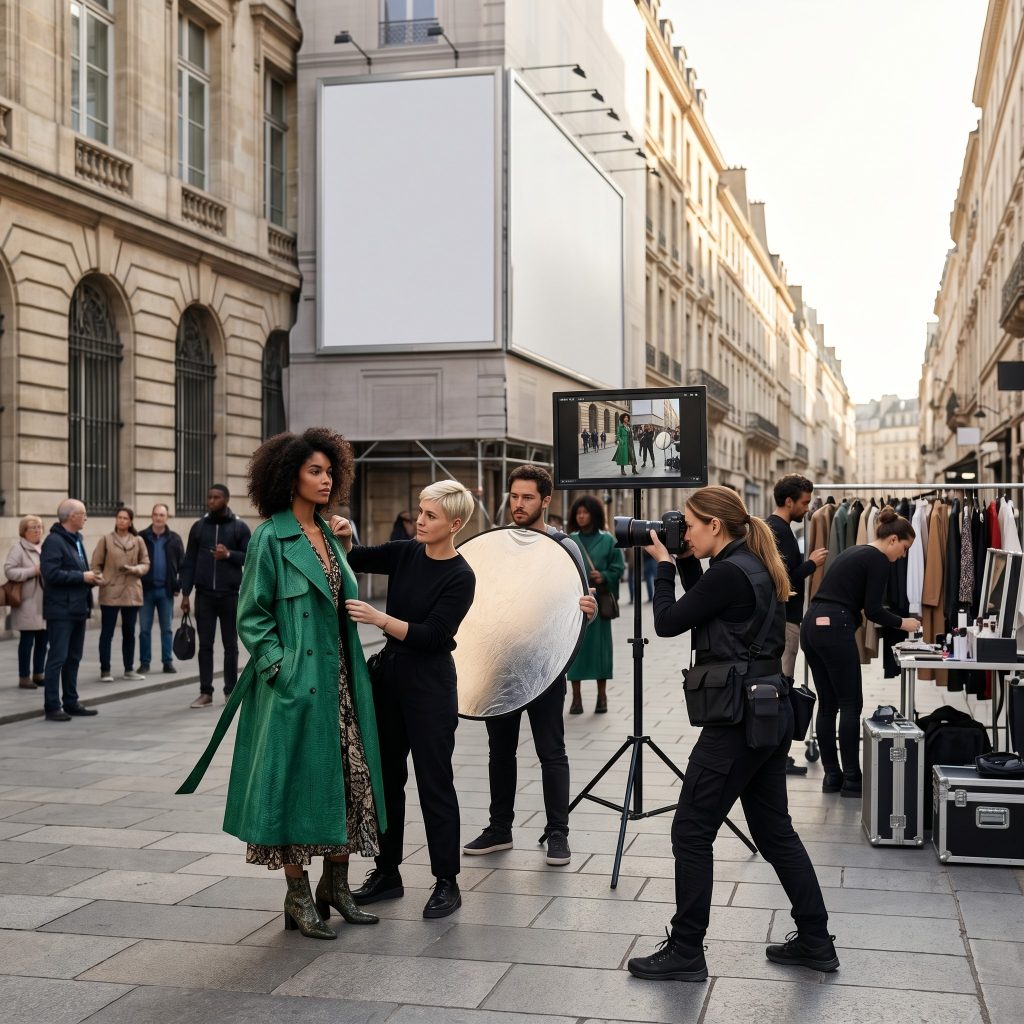
Graphic design plays a critical role in the success of fashion marketing campaigns. From social media advertisements and website banners to email promotions and lookbooks, every marketing asset relies on strong visual communication. Consistent design helps maintain brand recognition while making campaigns more engaging and professional. Effective graphics capture attention quickly, communicate key messages, and encourage customer action. Fashion brands often use creative layouts, striking imagery, and compelling typography to showcase products and tell their stories. When marketing materials follow a consistent visual style, customers can easily recognize the brand across different platforms. This consistency strengthens trust, improves campaign performance, and supports long-term brand growth.
Frequently Asked Questions
1. What is graphic design in clothing?
Graphic design in clothing involves creating visual elements such as logos, typography, illustrations, patterns, and prints used on apparel. These designs help communicate a brand’s identity, attract customers, differentiate products, and create a memorable visual experience that supports long-term brand growth.
2. Why is graphic design important for clothing brands?
Graphic design helps clothing brands establish a unique identity and connect with their target audience. Consistent visuals improve recognition, build trust, enhance product appeal, and support marketing efforts. Strong design can influence purchasing decisions and help brands stand out in competitive markets.
3. How does graphic design improve brand recognition?
Graphic design creates consistent visual elements that customers can easily remember. Logos, colors, fonts, and signature graphics become associated with the brand over time. Repeated exposure to these elements strengthens recognition and makes it easier for customers to identify the brand instantly.
4. What are the key elements of graphic design in clothing?
Key elements include logos, typography, color palettes, illustrations, patterns, product graphics, packaging design, and marketing visuals. Together, these components create a cohesive brand identity that helps customers recognize, understand, and connect with the clothing brand across various platforms.
5. How can small clothing brands benefit from graphic design?
Small clothing brands can use graphic design to create a professional image and build customer trust. Consistent branding helps establish recognition, attract new audiences, and compete with larger companies. Effective design allows smaller brands to showcase their uniqueness and strengthen market presence.
6. What role does color play in clothing brand identity?
Color influences emotions, perceptions, and customer behavior. A consistent color palette helps create a recognizable brand image while communicating specific values or moods. Strategic color choices can increase brand recall, improve visual appeal, and strengthen the emotional connection with customers.
7. How does typography affect clothing brand perception?
Typography communicates a brand’s personality and style. Elegant fonts may suggest luxury, while bold fonts can convey confidence and modernity. Consistent typography across clothing labels, packaging, websites, and marketing materials helps reinforce brand identity and improve overall customer perception.
8. What is visual hierarchy in clothing design?
Visual hierarchy is the arrangement of design elements to direct attention toward the most important information first. Designers use size, contrast, spacing, and color to guide viewers. Effective hierarchy improves communication, enhances user experience, and makes branding more impactful.
9. How often should a clothing brand update its visual identity?
A clothing brand should update its visual identity only when necessary to stay relevant or align with evolving business goals. Frequent changes may confuse customers. Gradual refinements help modernize the brand while preserving the recognition and trust already established.
10. Can graphic design influence clothing sales?
Yes, graphic design can significantly impact sales. Attractive visuals capture attention, improve brand perception, and create emotional connections with customers. Strong branding increases product appeal, builds trust, encourages repeat purchases, and helps clothing brands differentiate themselves from competitors.
The Lasting Power of Thoughtful Design
Graphic design in clothing is far more than decoration. It’s the foundation of how a brand is seen, remembered, and trusted. From the logo that sparks instant recognition to the color palette that stirs emotion, every design choice shapes the customer’s relationship with the brand.
The most successful clothing brands understand this. They treat design as a long-term investment, not an afterthought. They build cohesive visual systems, apply principles like visual hierarchy with intention, and stay consistent across every point of contact.
If you’re building or growing a clothing brand, start by auditing your current visuals. Are your logo, colors, and fonts consistent everywhere? Does your design clearly communicate your brand’s personality? Small improvements in these areas can lead to big gains in recognition and loyalty. The brands people remember are the ones that took their design seriously—and yours can be one of them.



Leave a Reply