

Graphic designers today are not only responsible for creating visually appealing work but also for managing clients, deadlines, revisions, communication, and payments. As the number of clients and projects increases, keeping everything organized becomes challenging. This is where a CRM (Customer Relationship Management) system becomes extremely useful.
A CRM helps graphic designers centralize all client information, streamline project workflows, and improve communication. Instead of switching between emails, spreadsheets, and messaging apps, designers can manage everything in one place. This leads to better efficiency, stronger client relationships, and improved business growth.
In this guide, we will explore why graphic designers need a CRM, the key features to look for, and the best CRM options available for managing clients and creative projects effectively.
Why Graphic Designers Need a CRM System

Managing Multiple Clients Efficiently
Graphic designers often work with multiple clients at the same time, each requiring different types of design work such as branding, social media content, website UI/UX, or marketing materials. Without a structured system, it becomes difficult to track where each project stands or what feedback has been given. A CRM helps solve this by keeping all client information, project updates, and communication history in one place, ensuring nothing gets lost or overlooked.
Organizing Projects and Deadlines
One of the biggest challenges for designers is managing deadlines across several ongoing projects. A CRM helps break projects into structured phases such as concept development, drafts, revisions, and final delivery. This makes it easier to track progress and ensure timely completion without confusion or missed deadlines.
Improving Client Communication
Clear communication is essential in design work because clients often request multiple revisions and updates. A CRM centralizes all communication, feedback, and file sharing in one place, reducing misunderstandings and making the revision process smoother and more professional.
Automating Routine Business Tasks
Many repetitive tasks such as sending invoices, follow-up messages, and payment reminders can be automated through a CRM. This reduces administrative workload and allows designers to focus more on creative work rather than business management tasks.
Key Features to Look for in a CRM for Graphic Designers
Project and Task Management
A strong CRM should allow designers to organize work into structured tasks and project stages. This helps maintain clarity from the beginning of a project until final delivery.
Visual Workflow System
Designers benefit from visual tools such as boards or timelines that show project progress clearly. This makes it easier to manage multiple projects without losing track of details.
Centralized Client Communication
All messages, feedback, and file sharing should be accessible in one place. This ensures better collaboration and reduces confusion during project revisions.
Invoicing and Payment Tracking
A good CRM should support invoice generation, payment tracking, and automated reminders to ensure smooth financial management and timely payments.
Customization and Branding Options
Designers often need to maintain a strong brand identity. Customizable invoices, proposals, and client portals help create a more professional and consistent client experience.
Best CRM for Graphic Designers
HoneyBook – All-in-One CRM for Creatives
HoneyBook is widely used by freelancers and creative professionals because it combines client management, project tracking, invoicing, and contracts in one simple platform. It is designed to handle the entire client journey from inquiry to final payment, making it ideal for designers who want a complete business solution without complexity.
HubSpot CRM – Powerful Free Option
HubSpot CRM is a flexible and scalable platform that offers a strong free version. Although it is not specifically designed for designers, it allows customization of pipelines and workflows, making it suitable for managing clients and tracking project progress effectively.
Zoho CRM – Budget-Friendly Solution
Zoho CRM is known for its affordability and customization features. It allows designers to automate workflows, manage client relationships, and organize project data efficiently, making it a great choice for small studios and growing businesses.
ClickUp – CRM and Project Management Combined
ClickUp is a hybrid tool that blends project management and CRM features. It is especially useful for designers because it provides visual task boards, timelines, and automation tools that help manage both creative work and client communication in one place.
Moxie – Built for Freelancers
Moxie is designed specifically for freelancers and creative professionals. It offers client portals, invoicing, time tracking, and project management tools in a simple and easy-to-use interface, making it ideal for solo designers.
Insightly – Best for Agencies
Insightly is suitable for design agencies that need to manage both client acquisition and project delivery. It combines CRM features with project tracking, helping teams maintain a smooth workflow from sales to execution.
Role of Graphic Design vs Visual Design in Client Management
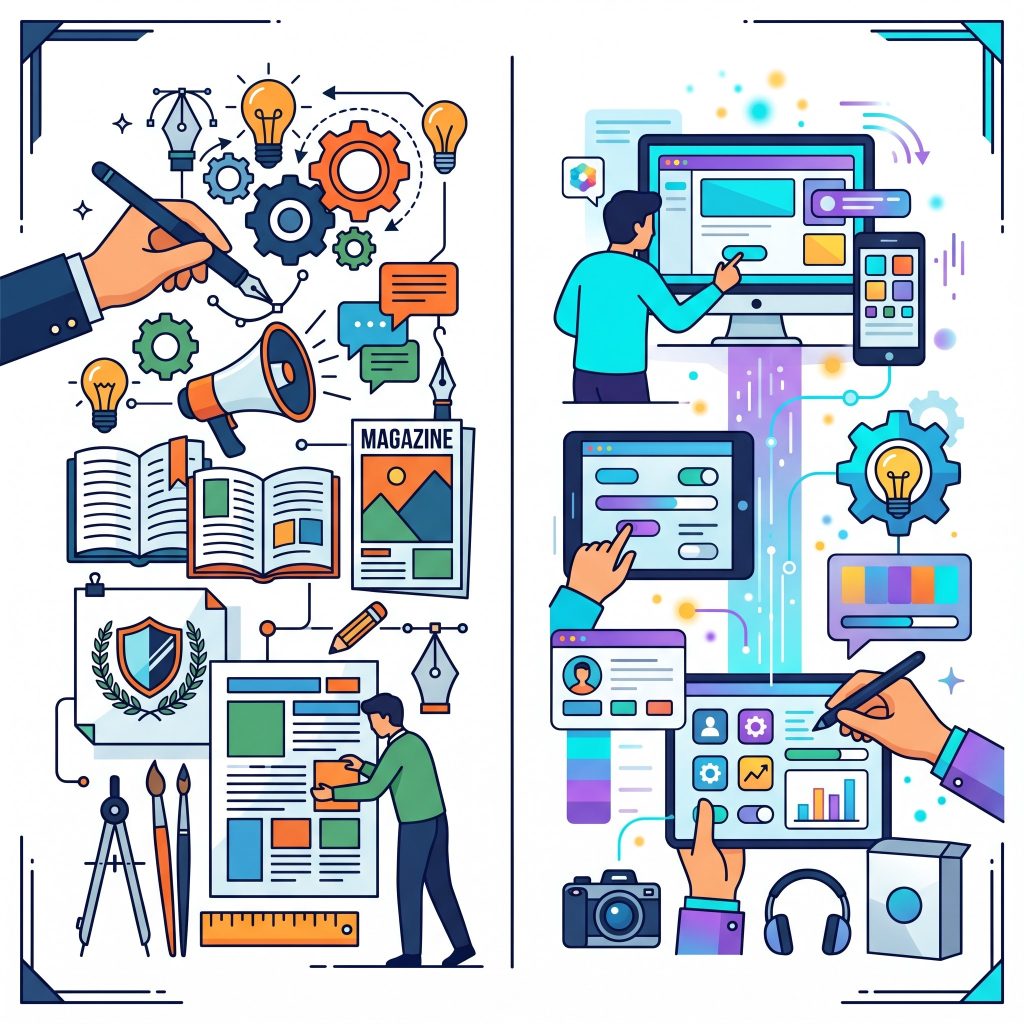 Graphic design and visual design are closely related but serve slightly different purposes in client projects. Graphic design focuses on creating specific visual assets such as logos, posters, social media creatives, and branding materials, while visual design is more about the overall user experience, layout consistency, and how elements work together across platforms. For CRM-managed workflows, understanding this difference helps designers clearly define project scopes with clients, reducing confusion during feedback and revisions. When expectations are set properly from the beginning, it becomes easier to track deliverables inside a CRM system and ensure each stage of the design process is completed efficiently without miscommunication or repeated revisions.
Importance of Graphic Design and Visual Communication in CRM Workflow
 Graphic design and visual communication play a major role in how designers interact with clients and present ideas throughout a project lifecycle. Visual communication ensures that concepts, messages, and brand identity are clearly understood by clients, even before the final design is delivered. Within a CRM system, this becomes highly valuable because designers can store drafts, mood boards, and visual references in one organized place for client feedback. This reduces misunderstandings and improves approval speed. When communication is visually supported, clients feel more involved in the process, leading to stronger relationships and smoother project execution.
How CRM Improves Graphic Design and Visual Workflow Efficiency
A CRM helps streamline both graphic design and visual design workflows by bringing structure to creative processes. Instead of managing files across multiple tools, designers can upload assets, track revisions, and monitor progress within a single system. This improves consistency in visual output and ensures that every stage of the design process aligns with client expectations. It also helps maintain a clear record of changes, making it easier to revisit earlier versions if needed. As a result, designers can focus more on creativity while the CRM handles organization and workflow tracking.
Enhancing Client Collaboration Through Graphic Design and Visual Communication
Client collaboration becomes more effective when graphic design and visual communication are properly integrated into CRM systems. Clients often struggle to explain design preferences through text alone, but visual references, sketches, and structured feedback tools inside a CRM make communication clearer. This reduces back-and-forth revisions and speeds up decision-making. Designers can also present multiple visual concepts in an organized way, helping clients compare options easily. This structured collaboration builds trust and ensures that the final design aligns closely with client expectations.
Streamlining Project Delivery with Graphic Design and Visual Design Alignment
When graphic design and visual design processes are aligned within a CRM system, project delivery becomes more structured and predictable. Designers can break projects into stages such as concept development, visual exploration, refinement, and final output. Each stage can be tracked inside the CRM, ensuring nothing is missed. This structured approach helps maintain design quality while also meeting deadlines consistently. It also allows clients to stay updated on progress, which improves satisfaction and reduces last-minute changes that often delay delivery.
Improving Brand Consistency Using Graphic Design and Visual Systems
Maintaining brand consistency is one of the most important aspects of both graphic design and visual design. A CRM helps store brand guidelines, color palettes, typography rules, and previous design assets in one central location. This ensures that every new project follows the same visual identity, even when multiple designers are involved. Consistency across all deliverables strengthens brand recognition and creates a more professional appearance. It also reduces errors caused by miscommunication or missing reference materials.
Reducing Revision Cycles in Graphic Design and Visual Projects
Revisions are a natural part of any design process, but too many revisions can slow down productivity. By using a CRM, designers can document feedback clearly and track changes systematically. This helps ensure that each revision is based on organized input rather than scattered messages. When graphic design and visual design feedback is centralized, misunderstandings are reduced and revision cycles become shorter. This improves workflow efficiency and allows designers to complete more projects in less time without compromising quality.
Scaling Creative Businesses with Graphic Design and Visual Design Systems
As design businesses grow, managing multiple clients and complex visual projects becomes increasingly difficult without proper systems. A CRM enables designers to scale their operations by providing structure, automation, and centralized communication. Graphic design and visual design processes become easier to manage because every project follows a clear workflow. This allows agencies and freelancers to handle more clients without losing control over quality or deadlines. Over time, this structured approach leads to higher productivity, better client retention, and stronger business growth.
Frequently Asked Questions (FAQs)
1. What is a CRM and why do graphic designers need it?
A CRM (Customer Relationship Management) system is a tool that helps manage client information, communication, and project workflows in one place. Graphic designers need it to stay organized, handle multiple clients efficiently, and improve overall productivity.
2. Can freelance graphic designers use a CRM system?
Yes, freelance graphic designers can greatly benefit from a CRM. It helps them manage client projects, send invoices, track payments, and maintain professional communication without using multiple tools.
3. Is CRM software expensive for designers?
Not necessarily. Many CRM platforms offer free plans or affordable pricing. Tools like HubSpot CRM provide free options, while others like Zoho CRM and Moxie offer budget-friendly plans suitable for freelancers and small studios.
4. What is the best CRM for beginner graphic designers?
For beginners, simple and easy-to-use CRMs like HoneyBook or Moxie are ideal because they combine client management, project tracking, and invoicing in one platform without requiring technical skills.
5. Can a CRM help manage design projects and deadlines?
Yes, a CRM helps organize projects into stages such as planning, design, revision, and delivery. It also allows designers to set deadlines and track progress, ensuring timely project completion.
6. Do CRMs support client communication and feedback?
Most modern CRMs include communication tools that allow designers to interact with clients, share files, and collect feedback in one place, reducing confusion and improving collaboration.
7. Can I send invoices through a CRM?
Yes, many CRM systems include invoicing features. Designers can create professional invoices, send them directly to clients, and track payment status within the same platform.
8. What is the difference between a CRM and project management tool?
A CRM focuses on managing clients, relationships, and communication, while a project management tool focuses on task execution and workflow. Some tools, like ClickUp, combine both functions.
9. Is CRM software useful for design agencies?
Yes, design agencies benefit greatly from CRM systems because they help manage multiple clients, team collaboration, project pipelines, and business operations in a structured way.
10. How does a CRM improve a graphic design business?
A CRM improves a graphic design business by saving time, improving organization, automating repetitive tasks, enhancing client communication, and helping designers scale their business more efficiently.
Conclusion
A CRM system is an essential tool for graphic designers who want to manage their business professionally and efficiently. As client demands increase and projects become more complex, relying on manual systems can lead to confusion, delays, and missed opportunities. A well-structured CRM helps designers stay organized, improve communication, automate repetitive tasks, and ultimately grow their creative business.
Choosing the right CRM depends on your workflow and business size. Freelancers may prefer simple all-in-one tools like HoneyBook or Moxie, while agencies may benefit from more advanced systems like ClickUp or Insightly. Regardless of the choice, implementing a CRM can significantly improve productivity and client satisfaction, allowing designers to focus more on creativity and less on management tasks.



Leave a Reply