


In today’s fast-paced information environment, designers face the challenge of conveying complex data in a manner that captures attention and facilitates understanding. With the right infographic design best practices, visual communicators can transform dense statistics and intricate concepts into engaging narratives that resonate with diverse audiences. Infographics blend imagery, concise copy, and data visualization to boost retention, simplify decision-making, and strengthen brand messaging. Currently, organizations across sectors leverage these visual tools to clarify research findings, illustrate processes, and drive action in today’s digital landscape.
Successful infographic execution hinges on a clear strategy: identifying audience needs, sourcing reliable information, and applying thoughtful visual hierarchy. Whether you aim to inform stakeholders, support educational campaigns, or spark social media engagement, adhering to proven techniques ensures both accuracy and appeal. In this comprehensive guide, we’ll explore every step of crafting engaging infographics—from unlocking the power of visuals to perfecting color schemes, typography, and layout. By the end of this article, you’ll be equipped with actionable insights and the confidence to deliver compelling graphics that educate, inspire, and drive measurable results this year (2026).
Understanding the Power of Crafting Engaging Infographics
Infographics excel at fusing data and design into a coherent story. They capitalize on the human brain’s affinity for visuals: research from the Pew Research Center indicates that readers recall up to 65% more information when it’s paired with relevant graphics. By guiding viewers through a carefully orchestrated narrative, infographics can elevate brand authority, boost shareability, and foster deeper comprehension.
Why Visual Storytelling Matters
Visual cues—icons, color gradients, and simplified charts—act as signposts that steer attention. In today’s digital landscape, users scroll rapidly and often skim content. An infographic that follows infographic design best practices grabs notice within seconds, encouraging viewers to pause, digest, and act. When designers distill core insights into digestible segments, they reduce cognitive load and reinforce key messages. This streamlined approach is especially vital across platforms where screen real estate and user attention are limited.
Impact on Engagement and Retention
Studies from the National Institutes of Health highlight that visually rich materials can increase information retention by as much as 30% compared to text alone. Infographics also drive higher social media interaction: posts featuring original graphics receive up to triple the shares of text-based updates. These metrics underscore the tangible benefits of embracing well-crafted visuals in your content strategy.
Defining Audience and Purpose for Maximum Impact
Before sketching the first icon, successful infographic designers conduct thorough audience research. Understanding who will view your graphic shapes every aspect of your design, from tone of voice to data complexity. In a corporate setting, executives may prefer a formal palette and succinct bullet points, while a younger consumer segment might gravitate toward playful icons and energetic color schemes. Clarifying objectives ensures your visuals align with user expectations and business goals.
Establishing Clear Objectives
Ask targeted questions to define purpose and success metrics:
- What single insight should viewers remember?
- Is the goal to educate, persuade, or prompt action?
- How will you measure success—views, shares, downloads, or conversions?
Documenting these criteria at the outset narrows the creative focus and streamlines decision-making throughout the project.
Audience Personas and Tone
Develop user personas to guide every design choice. Assign demographic details, professional roles, and preferred content channels to your target segments. For instance, a medical research group might require clinical accuracy and data tables, while a marketing team may seek visually driven case studies. Adapting vocabulary, iconography, and layout according to personas will make your infographic more relatable—and ultimately more effective.
Researching and Gathering Reliable Data
 Accurate information forms the backbone of any credible infographic. Misinformation not only undermines trust but can lead to flawed insights and costly brand damage. To uphold integrity, designers should source data from primary repositories like government databases, peer-reviewed journals, and respected research institutions.
Verifying Source Credibility
Follow these best practices to ensure reliability:
- Cross-reference figures across at least two reputable sources, such as the U.S. Census Bureau or academic publications.
- Check publication dates to confirm statistics are current and relevant this year (2026).
- Maintain a detailed citation log to credit original authors and avoid plagiarism.
Structuring Your Narrative Flow
A compelling infographic guides viewers from the introduction to the conclusion in a logical progression. Start by presenting a question or context to hook interest. Follow with key findings arranged in thematic clusters, and end with actionable takeaways or next steps. Using a storyboard or outline can help you visualize pacing and ensure that each section builds upon the previous one.
Choosing the Right Visual Elements
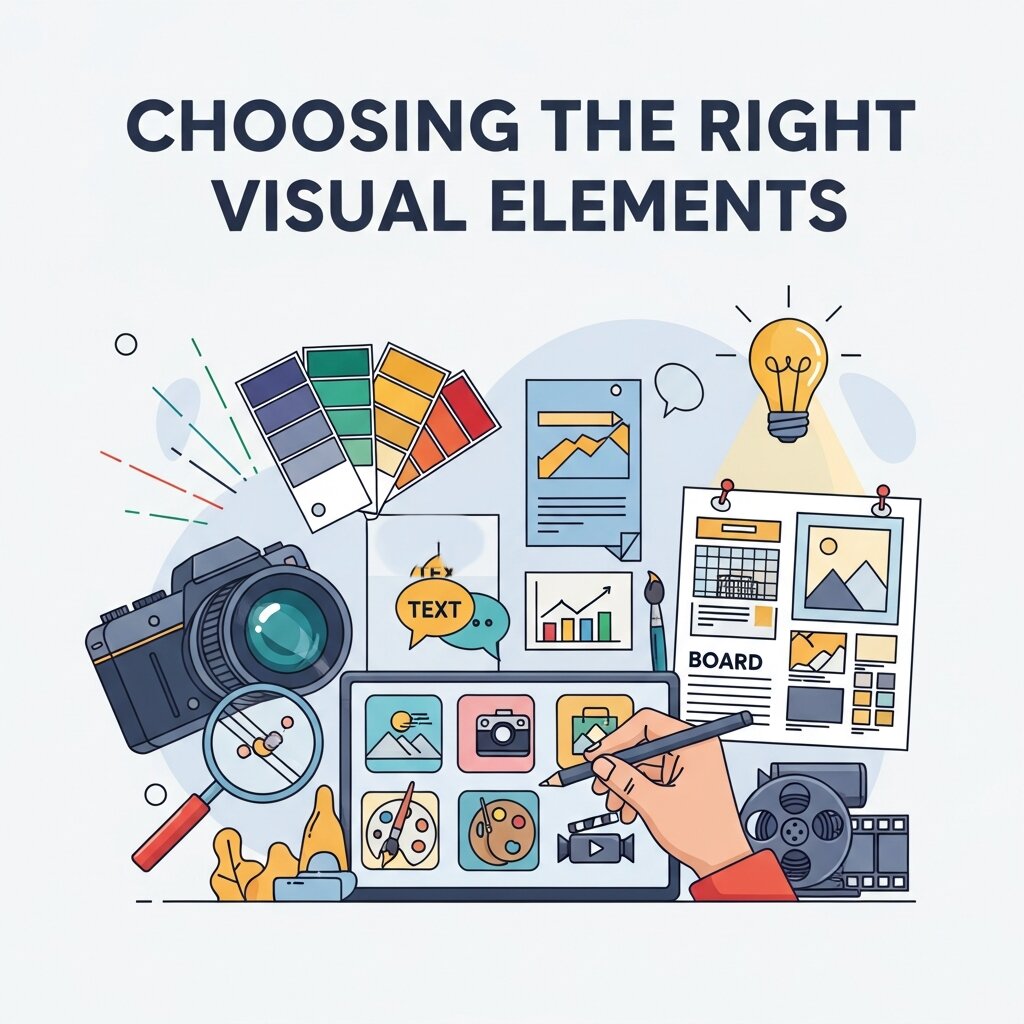 Selecting appropriate graphic components is crucial for clarity and engagement. Whether you employ charts, maps, icons, or timelines, each element should reinforce your core message rather than compete for attention.
Effective Chart Types
Match your data structure to the ideal chart format:
- Bar charts: Compare discrete categories with ease.
- Line graphs: Illustrate trends and fluctuations over time.
- Pie charts: Highlight proportions when slices are few and distinctly different.
- Scatter plots: Uncover correlations between variables.
Keep these visuals uncluttered by limiting gridlines, labels, and colors to essential elements.
Iconography and Custom Illustrations
Consistent icon style strengthens brand cohesion. Whether you craft bespoke icons or draw from a licensed library, ensure uniform line weights, corner radii, and color treatments. When scalability is required, vector formats (SVG) maintain crispness across devices and resolutions.
Applying Color, Typography, and Layout Principles
Visual hierarchy drives user attention through strategic use of contrast, scale, and spacing. A disciplined approach to color and type selections enhances readability and aesthetic harmony.
Establishing a Cohesive Color Palette
Limit your palette to two to four primary hues. Choose a dominant brand or theme color, then add one or two complementary shades for contrast. Apply neutral backgrounds—such as white or light gray—to ensure text and graphics remain legible. Tools like Adobe Color can assist in generating accessible palettes that meet WCAG contrast guidelines.
Defining Typography Hierarchy
- Headlines: Bold sans-serif at 28–36px for maximum impact.
- Subheadings: Medium weight at 18–24px to segment content clearly.
- Body text: Simple sans-serif at 12–16px for comfortable reading.
Limit font families to two or three to maintain consistency. Use weight and color variations sparingly to signal transitions in the narrative.
Optimizing Layout and White Space
Employ a grid system—such as a 12-column layout—to align elements and ensure balanced composition. Ample white space prevents overcrowding, directs focus, and enhances scannability. Break dense sections with visual dividers or background shapes to maintain momentum.
Leveraging Data Storytelling Techniques
 Crafting engaging infographics becomes far more effective when data is presented as a story rather than isolated statistics. Start by identifying a clear beginning, middle, and end that guides readers through the information naturally. Introduce the context first, then reveal supporting data points, and finally conclude with a key takeaway or call to action. Story-driven visuals help users emotionally connect with the information and improve retention. Instead of overwhelming viewers with multiple unrelated figures, arrange insights in a sequence that answers one central question. This narrative method not only strengthens comprehension but also increases shareability across blogs, presentations, and social media platforms where audiences prefer visually digestible storytelling experiences.
Mobile-Friendly Infographic Design Strategies
In 2026, a large percentage of infographic views come from smartphones and tablets, making responsive design essential. When crafting engaging infographics, prioritize vertical layouts that fit mobile screens naturally and allow smooth scrolling. Use larger font sizes, simplified charts, and touch-friendly spacing so viewers can easily read content without zooming. Avoid overcrowded side-by-side comparisons that may look clean on desktop but break usability on smaller screens. Compress visuals without losing clarity by using vector assets and optimized image formats. A mobile-friendly infographic improves accessibility, increases average viewing time, and performs better on social media feeds, where most users engage through handheld devices. Optimizing for mobile ensures your visual story reaches wider audiences effectively.
Using Branding Elements for Consistency
Strong branding can turn an infographic into a recognizable asset that reinforces trust and authority. Include your brand colors, logo placement, typography style, and visual tone consistently throughout the design. When crafting engaging infographics for businesses, this consistency helps audiences instantly associate the content with your organization. Subtle logo placement in the footer, branded icons, and consistent header styling make the infographic feel professional without appearing overly promotional. Maintaining brand identity across reports, social posts, and presentations also strengthens long-term recognition. However, balance is important—branding should support the message rather than dominate it. A clean branded structure ensures your infographic remains useful, memorable, and aligned with your wider content marketing strategy.
Improving Accessibility in Infographic Design
Accessibility is a critical but often overlooked part of crafting engaging infographics. Designers should ensure that all users, including those with visual impairments, can understand the content. Use strong contrast ratios between text and background, avoid relying only on color to communicate meaning, and add labels directly to charts whenever possible. Readable font sizes and clean spacing make scanning easier for all audiences. For digital publishing, adding descriptive alt text helps screen readers interpret the infographic’s purpose. Icons should be universally recognizable, and charts should include legends with clear text labels. By prioritizing accessibility, you improve usability, meet inclusive design standards, and ensure your infographic reaches the broadest possible audience without barriers.
Measuring Infographic Performance Metrics
Creating a visually appealing infographic is only half the process; measuring results is what drives long-term improvement. Track performance metrics such as page views, average time on page, bounce rate, downloads, social shares, and conversion actions. These indicators reveal whether your infographic successfully communicates its intended message. For example, high shares may suggest strong visual appeal, while longer dwell time often signals effective storytelling. When crafting engaging infographics for campaigns, compare different layouts, headlines, and call-to-action placements to identify what resonates best. Analytics tools and heatmaps can further show where viewers spend the most time. Continuous performance analysis helps refine future infographic strategies and maximize ROI from your design efforts.
Repurposing Infographics Across Multiple Channels
One of the smartest strategies in crafting engaging infographics is designing with repurposing in mind. A single long-form infographic can be transformed into multiple social media slides, blog visuals, email snippets, presentation assets, or short video animations. Breaking the design into smaller branded sections allows each data point to live beyond the original article. This approach increases content lifespan and reduces production effort while maintaining consistent messaging. For example, a process infographic can become a LinkedIn carousel, while its statistics can be adapted into Instagram stories. Repurposing not only boosts visibility but also strengthens omnichannel marketing consistency. Planning for reuse from the beginning ensures maximum value from every design project.
Testing and Iterating for Better Results
The most effective infographic designers treat every design as an evolving asset. After publishing, gather feedback from users, stakeholders, or team members to identify pain points in readability, flow, or engagement. A/B testing different headlines, layouts, color palettes, or CTA placements can reveal which version performs better. When crafting engaging infographics, iteration helps eliminate assumptions and replace them with data-backed improvements. Small adjustments—such as simplifying a chart, changing icon placement, or increasing white space—can dramatically improve user comprehension. Continuous testing ensures your visuals remain aligned with audience preferences, platform behavior, and campaign goals. This refinement process is essential for achieving consistent performance gains over time.
FAQ
What makes an infographic effective?
An effective infographic combines accurate data sourcing, clear visual hierarchy, and engaging storytelling to simplify complex information and guide viewer attention toward key insights.
How do I choose the right chart type?
Match the relationship you want to highlight (comparison, trend, proportion, or correlation) with the corresponding chart format—bar, line, pie, or scatter—to ensure clarity and relevance.
Why is color contrast important in infographics?
High-contrast palettes improve readability and accessibility, helping users distinguish between elements and focus on essential data points without visual strain.
What tools are best for creating infographics?
Popular tools for crafting engaging infographics include Canva, Adobe Illustrator, Figma, and Piktochart. These tools offer templates, vector elements, and easy customization options.
How can infographics improve social media engagement?
Infographics increase engagement by making content more shareable, visually attractive, and easier to consume. They often receive more clicks, shares, and saves than plain text posts.
What mistakes should I avoid in infographic design?
Avoid cluttered layouts, too many colors, inconsistent fonts, unreliable data sources, oversized text blocks, and charts that do not match the data being presented.
Conclusion
Mastering infographic design best practices empowers designers to craft visuals that educate, captivate, and convert. By starting with purposeful audience research, sourcing reliable data, and applying a structured narrative, you set the stage for clarity and trust. Thoughtful selection of charts, icons, color palettes, and typography further elevates your message, while a disciplined layout ensures an intuitive user journey.
In today’s digital landscape, iteration remains essential: test different layouts, colors, and copy with real users, then refine based on quantitative metrics and qualitative feedback. With the strategies outlined here, you’ll be well-equipped to design engaging infographics that drive action, reinforce your brand, and stand out in a world inundated with content. Embrace these principles this year (2026) to transform data into compelling stories that leave a lasting impression.



Leave a Reply