Press ESC to close

Mastering Motion Graphics: A Comprehensive Guide for Graphic & Visual Designers

Graphic motion transforms static visuals into dynamic experiences using movement, color, and storytelling. It enhances branding, UI/UX, and communication, helping designers create engaging content while opening strong career opportunities in modern Graphic & Visual Design industries.

Graphic motion is a powerful design approach that brings visuals to life through movement, timing, and storytelling. In modern Graphic & Visual Design, it helps capture attention, improve communication, and enhance user experience across platforms. From branding to digital interfaces, graphic motion plays a vital role in creating engaging, dynamic content. It allows designers to deliver messages more effectively while building stronger emotional connections with today’s fast-moving digital audience.

Understanding the Basics of Graphic Motion

Graphic motion is the practice of bringing static visuals to life using movement, timing, and transitions to create more engaging and meaningful designs. In Graphic & Visual Design, it plays a key role in improving communication by guiding the viewer’s attention through motion-based storytelling. The foundation includes understanding spacing, keyframes, easing, and how elements interact over time. Designers apply this approach in advertisements, apps, and social media content to increase engagement and clarity. When used correctly, it transforms simple visuals into dynamic experiences. Learning starts with basic animations and gradually develops into advanced storytelling systems that improve user experience and overall visual communication quality.

Tools and Software for Graphic Motion Design

Creating professional graphic motion requires the right tools that support animation, effects, and layered visual design. Popular software like Adobe After Effects, Blender, and Cinema 4D are widely used in Graphic & Visual Design to produce high-quality motion graphics. These tools help designers experiment with transitions, timing, and complex animations. Beginners can start with templates and pre-built assets to understand how motion design works in real projects. As skills improve, designers can move toward advanced workflows and custom animations. With consistent practice, motion design becomes easier to control, allowing creators to produce visually strong and professional content that meets modern digital standards and industry expectations.

Mastering Color Theory in Graphic Motion
Mastering Color Theory

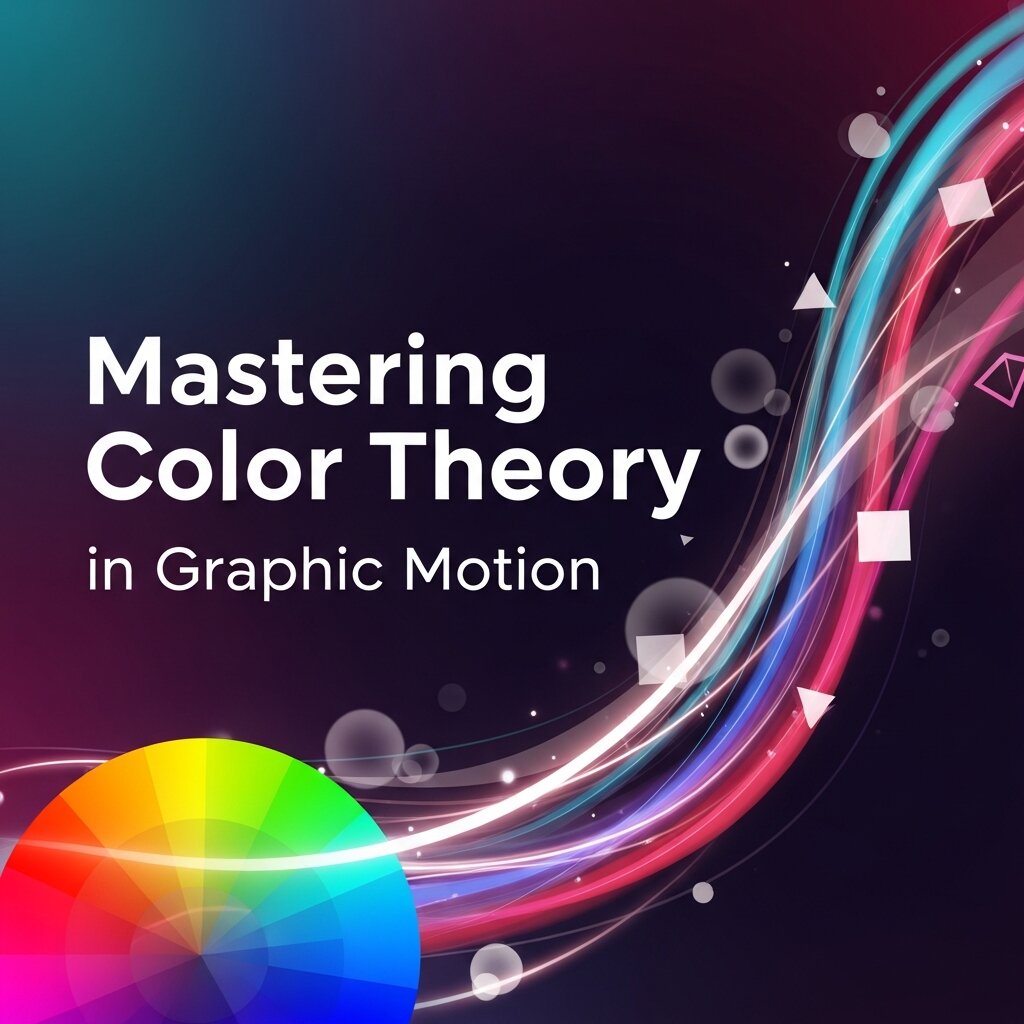
Color plays a powerful role in graphic motion because it directly affects mood, readability, and emotional impact. In Graphic & Visual Design, color theory helps create balance, contrast, and harmony that strengthen visual storytelling. When applied to motion design, colors must transition smoothly to maintain viewer engagement and support narrative flow. Designers often use warm tones for energy and cool tones for calm or professional moods. Proper color combinations make animations more appealing and effective. By mastering color principles, creators can enhance visual projects and ensure visuals communicate messages clearly across digital platforms while improving brand identity and emotional connection with audiences.

Read more about this topic: Mastering Color Theory

Visual Branding Through Motion Design

Graphic motion is a powerful method for strengthening visual branding in today’s digital world. It allows brands to express identity, tone, and personality through animated logos, intros, and promotional visuals. In Graphic & Visual Design, motion helps increase recognition and engagement by making content more dynamic and memorable. Consistency in animation style is essential for building a strong brand identity. When applied effectively, it creates emotional connections with audiences and helps brands stand out in competitive markets. Businesses use motion design to enhance storytelling and improve recall value, making their visual communication more impactful, professional, and visually engaging across multiple platforms.

Principles of Animation in Graphic Motion

The principles of animation form the foundation of effective graphic motion, ensuring smooth, realistic, and engaging movement in design. These principles include timing, easing, anticipation, spacing, and follow-through, which control how objects move and behave. In Graphic & Visual Design, applying these rules helps create visually appealing and easy-to-understand animations. Without them, graphic motion can appear stiff or unnatural. Designers use these principles to guide viewer attention and create rhythm in motion-based storytelling. Mastering animation fundamentals is essential for producing professional-quality visuals that communicate ideas clearly and enhance user experience across digital platforms and creative projects.

Storytelling with Graphic Motion
Storytelling with Graphic Motion

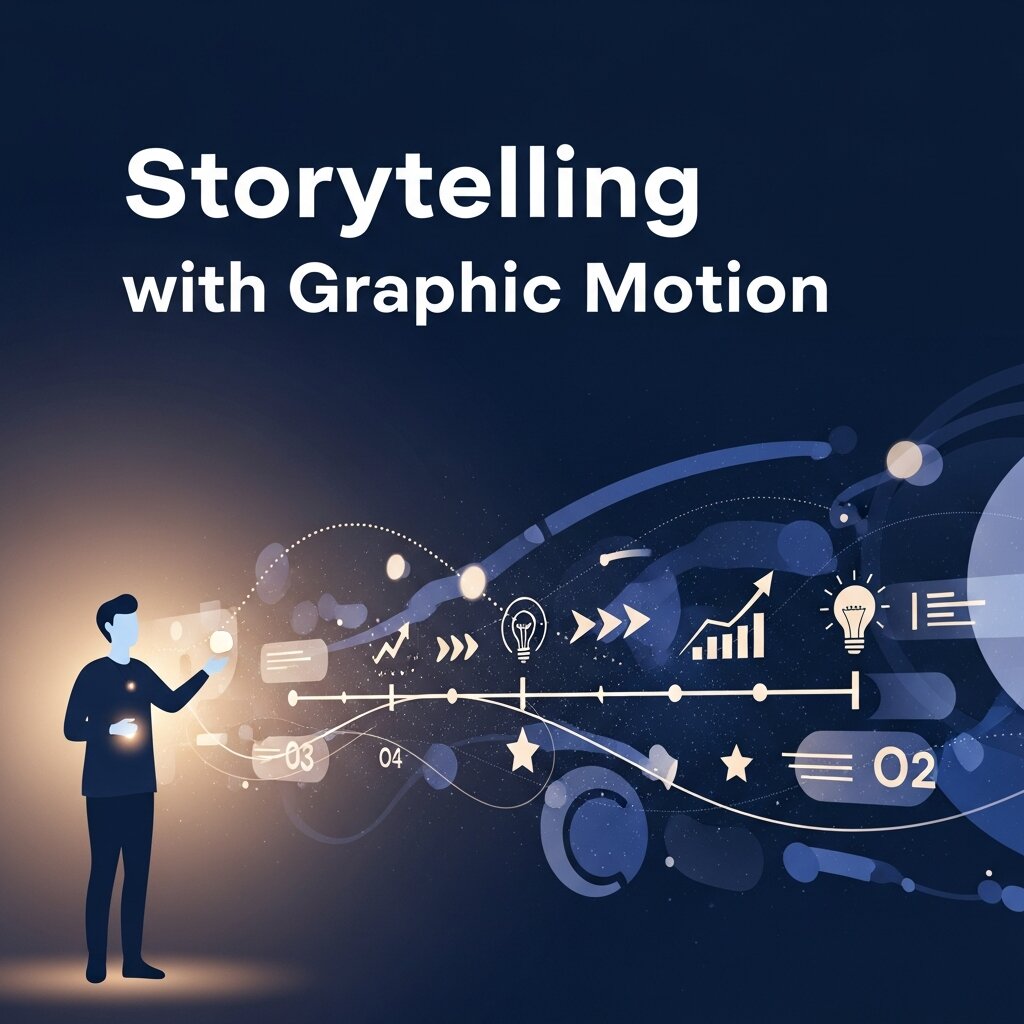
Storytelling is one of the most powerful applications of graphic motion, allowing designers to transform ideas into visually engaging narratives. Instead of static images, motion guides viewers through structured visual journeys that improve understanding and emotional connection. In Graphic & Visual Design, storytelling with graphic motion combines timing, animation, and visuals to create immersive experiences. It is widely used in advertisements, explainer videos, and digital campaigns. When done effectively, it turns simple messages into memorable visual stories that resonate with audiences. This approach makes communication more impactful, engaging, and easier to understand across digital platforms and modern media environments, enhancing overall design effectiveness.

UI/UX and Interactive Motion Design

In modern digital experiences, graphic motion plays a key role in improving UI/UX design by making interfaces more interactive, intuitive, and user-friendly. Micro-animations, hover effects, and smooth transitions help users understand actions and navigate systems easily. In Graphic & Visual Design, motion enhances usability by providing visual feedback and improving flow between screens. It also reduces confusion by guiding user attention naturally. When applied correctly, it creates seamless experiences that feel responsive and engaging. This improves user satisfaction and ensures digital products are both functional and visually appealing across websites, apps, and interactive platforms.

Best Practices for Effective Graphic Motion Design

Creating impactful graphic motion requires a balance between creativity and clarity. Designers must ensure that motion enhances the message rather than distracting from it. In Graphic & Visual Design, simplicity and consistency are key elements that make animations more professional and engaging. An effective graphic focuses on smooth transitions, proper timing, and meaningful movement that supports storytelling. Overusing effects can reduce clarity, so it is important to maintain a clean visual flow. By following proven practices, designers can produce high-quality motion graphics that improve user experience and communication across digital platforms.

Key Points:

  • Keep animations simple and purposeful
  • Maintain consistent motion style
  • Focus on smooth transitions and timing
  • Avoid overloading with excessive effects
  • Align motion with brand identity
Practice Description Benefit
Simplicity Use minimal and clear animations Improves clarity
Consistency Maintain uniform motion style Strengthens branding
Timing & Flow Control speed and transitions Enhances user experience
Purposeful Motion Animate only when needed Keeps design meaningful
Optimization Reduce heavy effects Improves performance

Advanced Techniques in Graphic Motion Design
Advanced Techniques

Advanced graphic motion techniques include 3D animation, kinetic typography, particle effects, and complex transitions that add depth, realism, and visual impact to modern design projects. These techniques are widely used in advertising, film production, and digital branding to create engaging content. In Graphic & Visual Design, mastering advanced motion skills allows designers to produce unique, high-quality visuals that stand out in competitive markets. Combining motion with layering, lighting, and dynamic systems enhances creativity and storytelling. Continuous practice, experimentation, and exploring new tools help designers improve their skills. These advanced approaches help create visually rich, immersive content that captures audience attention and delivers strong, memorable visual experiences effectively.

Career Opportunities in Graphic Motion Design

The demand for graphic motion designers is rapidly growing across industries such as advertising, entertainment, and digital marketing. Companies need skilled professionals who can create engaging motion-based visuals for branding and communication. In Graphic & Visual Design, mastering this skill opens opportunities in freelance work, agencies, and creative studios. A strong portfolio is essential to showcase expertise and attract clients or employers. With increasing digital content consumption, graphic motion offers long-term career growth, creative freedom, and global opportunities. Designers who specialize in motion can build successful careers by combining creativity, technical skill, and strong storytelling ability.

Common Mistakes to Avoid in Graphic Motion

While working with graphic motion, designers often make mistakes that reduce the effectiveness of their visuals. One common issue is overusing animations, which can overwhelm viewers and make content confusing. In Graphic & Visual Design, poor timing and inconsistent motion styles can break the visual flow. Another mistake is ignoring user experience, especially in UI/UX design, where motion should guide, not distract. Effective motion design requires planning, testing, and refinement to ensure clarity and engagement. By avoiding these mistakes, designers can create smoother, more professional animations that communicate messages clearly and effectively while improving overall visual impact and user satisfaction.

Key Points:

  • Avoid excessive or unnecessary animations
  • Maintain consistent motion style
  • Do not ignore user experience
  • Fix poor timing and pacing
  • Test animations before final use
Mistake Problem Caused Solution
Overuse of Effects Visual clutter Use minimal animations
Inconsistent Motion Breaks visual flow Maintain uniform style
Poor Timing Feels unnatural Adjust speed and easing
Ignoring UX Confuses users Focus on user guidance
No Testing Leads to errors Review and refine animations

Future of Graphic Motion

The future of graphic motion is rapidly evolving with advancements in technology and digital marketing. As industries continue to shift toward interactive content, motion will play a bigger role in virtual reality, augmented reality, and AI-driven design systems. In Graphic & Visual Design, designers will increasingly use graphic motion to create personalized and immersive experiences for users. Automation tools and smart software will make motion design faster and more accessible, even for beginners. At the same time, creativity and storytelling will remain essential for standing out. As demand grows across marketing, entertainment, and tech industries, graphics will continue to shape the future of visual communication and digital innovation worldwide.

Conclusion

In conclusion, graphic motion has become a core element of modern Graphic & Visual Design, transforming how visual content is created and experienced. It blends creativity, storytelling, and technical skills to produce engaging digital experiences. From basic animation principles to advanced techniques, mastering this approach helps designers communicate ideas clearly and build strong visual identities. As technology continues to evolve, motion design will play an even greater role in shaping digital communication. With consistent practice and the right tools, designers can develop strong expertise and achieve long-term success in the creative industry.

Frequently Asked Questions

1. What is graphic motion in design?

Graphic motion is the use of animation and movement to enhance visual content. It transforms static designs into dynamic experiences, improving communication, storytelling, and engagement across digital platforms in modern Graphic & Visual Design projects.

2. Why is graphic motion important for designers?

Graphic motion helps designers create more engaging and interactive visuals. It improves user attention, enhances storytelling, and strengthens brand identity, making it an essential skill for professionals working in today’s competitive digital design industry.

3. What tools are used for graphic motion design?

Popular tools for graphic motion include Adobe After Effects, Blender, and Cinema 4D. These programs allow designers to create animations, apply effects, and build professional motion graphics for various digital platforms and creative projects.

4. How can beginners learn graphic motion easily?

Beginners can learn graphic motion by starting with simple animations, tutorials, and templates. Practicing regularly, understanding basic principles, and experimenting with tools help build confidence and gradually improve motion design skills effectively.

5. What role does color play in graphic motion?

Color in graphic motion affects mood, readability, and visual appeal. Proper color choices enhance storytelling, guide viewer attention, and create emotional impact, making animations more effective and engaging in Graphic & Visual Design.

6. How is graphic motion used in branding?

Graphic motion strengthens branding by adding animation to logos, ads, and promotional content. It helps communicate brand personality, increases recognition, and creates memorable experiences that connect emotionally with audiences across digital platforms.

7. What are the key principles of graphic motion?

Key principles of graphic motion include timing, easing, spacing, and anticipation. These elements ensure smooth and natural animations, helping designers create visually appealing motion that improves communication and overall user experience.

8. How does graphic motion improve UI/UX design?

Graphic motion enhances UI/UX by adding interactive elements like transitions and micro-animations. It guides user actions, improves navigation, and creates a smooth, responsive experience that makes digital interfaces more user-friendly and engaging.

9. What advanced techniques are used in graphic motion?

Advanced graphic motion techniques include 3D animation, kinetic typography, and particle effects. These methods add depth and creativity, allowing designers to produce high-quality visuals for advertising, film, and digital branding projects.

10. What career opportunities exist in graphic motion?

Graphic motion offers careers in advertising, digital marketing, film, and design agencies. Skilled designers can work as freelancers or full-time professionals, creating animations and visual content for brands, businesses, and digital platforms worldwide.

Leave a Reply

Your email address will not be published. Required fields are marked *